About us

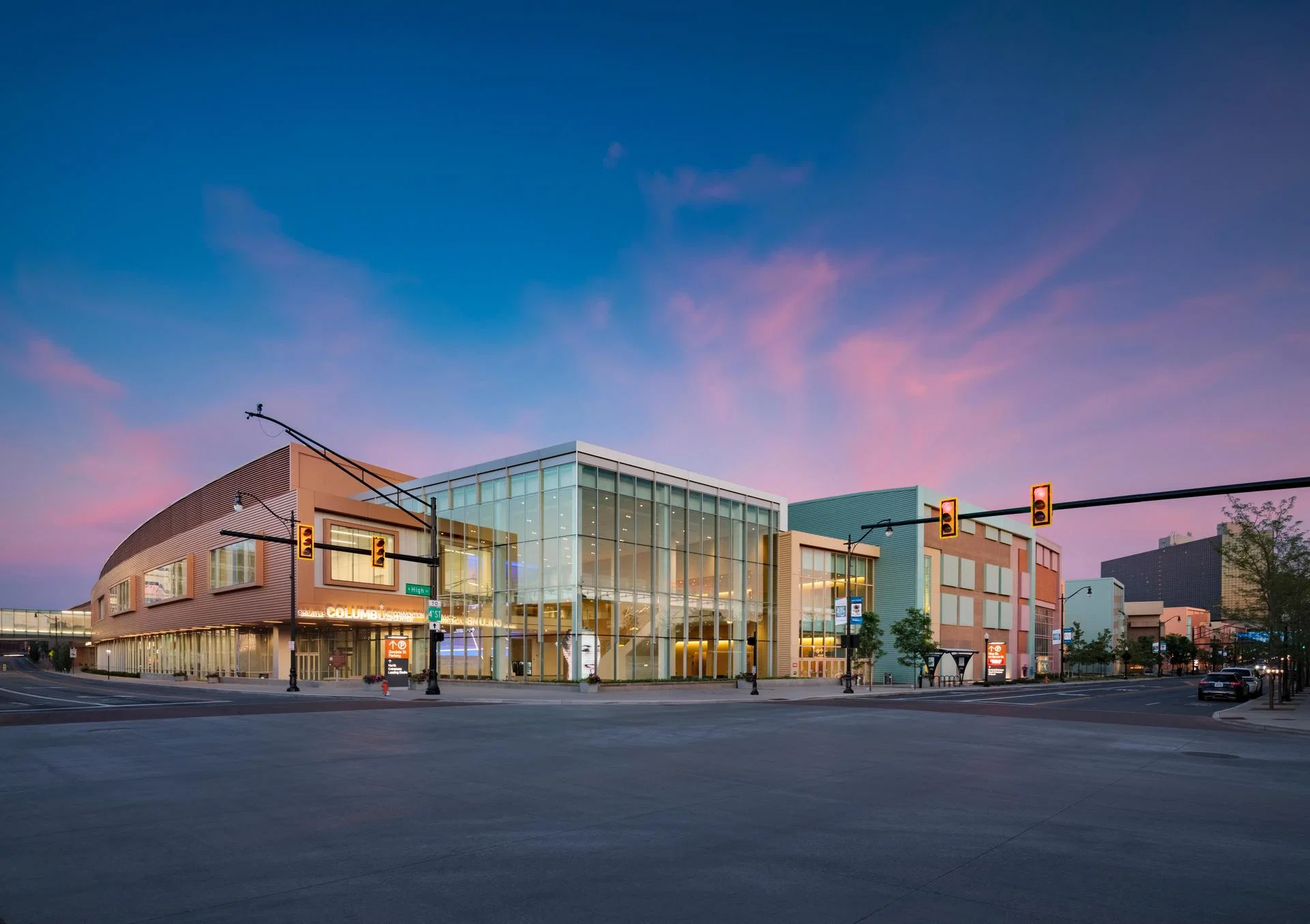
Greater Columbus Convention Center in Columbus, OH

Project-led trade show delivery for Columbus venues

Trade Show Services of Columbus coordinates booth strategy, fabrication, labor, AV, logistics, exhibitor-appointed-contractor support, and live field supervision for exhibitors, sponsors, associations, and venue teams working across Columbus and Central Ohio.

The work stays grounded in the districts and properties that actually shape event production in Columbus. Downtown convention programs, fairgrounds expos, campus conferences, airport-corridor meetings, north-corridor hotel events, and suburban corporate programs all create different demands on freight timing, labor calls, staffing, and field control.

That is why the company runs as one coordinated system instead of separating design, graphics, fabrication, technical production, logistics, and show-week execution into disconnected scopes. Buyers need one calendar for approvals, one owner for venue communication, one freight and material-handling plan, and one field lead who can keep the project steady when the schedule tightens.

The practical goal is a booth or event environment that supports meetings, demos, hospitality, lead capture, and brand visibility without creating unnecessary friction for the venue or the client. That standard matters just as much during closeout and outbound shipping as it does during design review.

Columbus programs often touch more than one setting in the same week. A team may have convention-center exhibit space, a nearby hotel meeting, and a sponsor function connected to the same audience. Strong event support keeps those moving parts aligned so the experience still feels intentional from the first move-in window through final strike.

Primary market

Greater Columbus

Primary focus on the downtown convention core, Ohio State, and the fairgrounds corridor, then outward into the north and northwest conference belt, airport/east-side access markets, and surrounding smaller cities that feed Greater Columbus meetings, expos, and sponsor activations. The working radius starts in downtown Columbus and runs through the fairgrounds, campus-adjacent meeting space, airport hotels, and the north and northwest conference corridor. That spread matters because many programs touch more than one venue type before they are finished.

Core venues

Research-backed venues

The mix spans the downtown convention core, Ohio State conference properties, the Ohio Expo Center campus, north-suburban conference hotels, and a handful of experiential venues where access windows and room turns shape the schedule.

Active locations

Regional coverage

The location set includes downtown Columbus, the fairgrounds corridor, campus-adjacent meeting zones, the north conference belt, and the smaller cities that regularly feed the Columbus event calendar.

Labor positioning

Venue-specific

Do not describe Columbus as a blanket union or blanket non-union trade show market. The official sources reviewed support a venue-specific model. GCCC publicly identifies itself as a non-union/right-to-work building where exhibitors can load, unload, and assemble equipment, while many hotel, university, museum, and market venues handle planning, food, AV, and support services through venue teams or approved providers. That keeps the guidance useful without pretending one labor rule fits every Columbus property.

Market shape

Built for exhibitors, sponsors, conference teams, and venues

Booth design, fabrication, general contracting, exhibitor-appointed-contractor coordination, installation and dismantle, AV production, graphics, logistics, storage, and conference environment buildouts all sit inside the same project plan.

That breadth reflects how real Central Ohio programs are bought. Some jobs need a compact rental answer. Others need a custom environment with heavier technical support, broader labor planning, or tighter venue coordination across multiple days.

The best results come from matching the booth format to the room, the audience, and the pace of the event. The schedule still has to stay practical: deadlines matter, dock windows matter, material handling matters, and the booth still has to support the business goal after doors open.

Columbus rewards teams that understand convention-center logistics, fairgrounds operations, campus venues, and hospitality-heavy event work. A ballroom program may depend on guest flow and presentation timing, while an expo booth may live or die on dock access, labor sequencing, and the speed of final setup.

Programs that move through multiple properties also need consistency. The brand should stay recognizable, but the booth has to adapt to the room in front of it, the traffic pattern, and the show pressure each venue creates.

When those decisions are made early, buyers get better cost control, stronger stakeholder alignment, and a more repeatable model for the next event on the calendar.

Brief your project