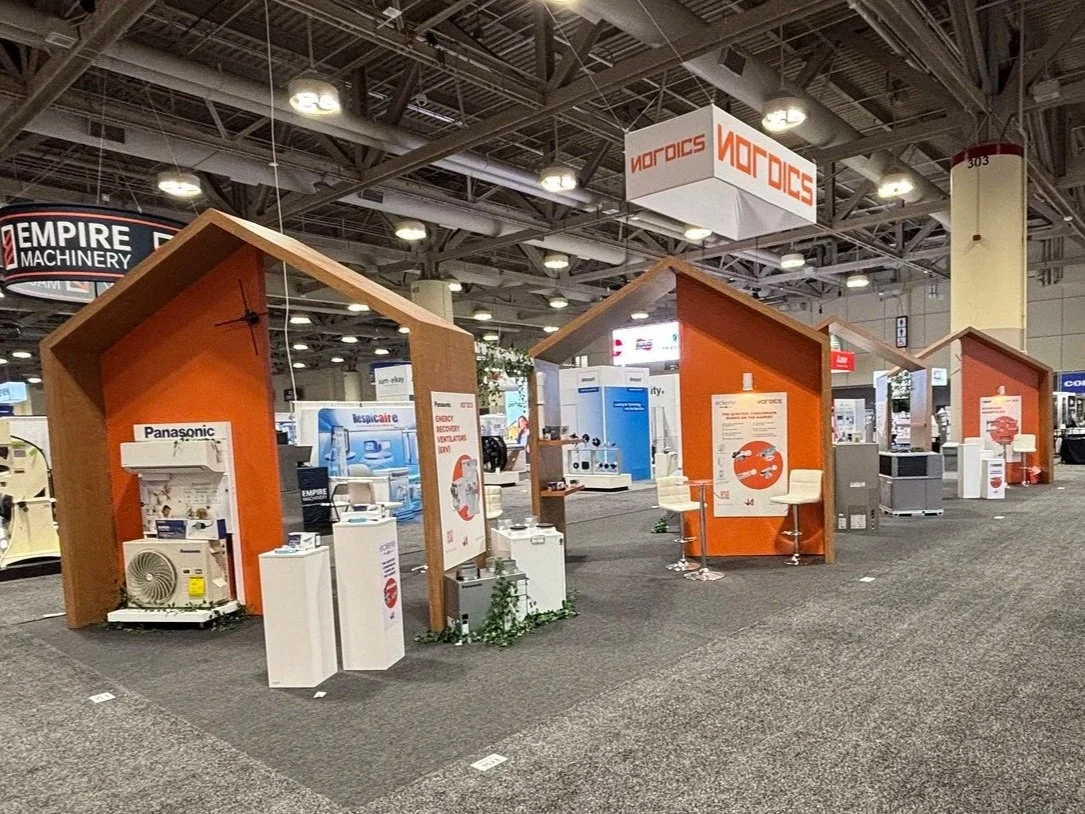
This page looks at how the receiving venue in Columbus should shape fabrication decisions long before the piece ever reaches the show floor.
Exhibit Fabrication execution priorities
- Fabrication tolerances and crate sizing checked against the receiving venue's dock or drive-in access
- Finish materials selected with the specific hall's floor covering, lighting, and climate in mind
- Exhibit fabrication scheduling tied to the show's move-in window rather than a generic production calendar
Building for a dock versus building for drive-in
A piece fabricated for delivery through the Greater Columbus Convention Center's dock and marshalling yard needs to survive being crated, queued, and uncrated on the show floor, which favors modular sections over one oversized monolithic build.
Several Ohio Expo Center fairgrounds buildings allow drive-in access, which opens the door to exhibit fabrication that rolls in on wheels or a low trailer without ever being fully broken down, provided the floor and door dimensions are confirmed first.
Finish choices tied to the actual hall
GCCC's exhibit halls run on a consistent house lighting and floor system across most bookings, so exhibit fabrication finishes chosen for that environment should account for how house lighting reads on different laminate or paint sheens.
A fairgrounds building can have a different floor surface or less consistent ambient lighting, so a finish that looks right downtown may need adjustment before it is used again at the Ohio Expo Center.
- Confirm floor surface and door dimensions for the specific hall before crate sizing is finalized
- Test finish sheens under the venue's actual house lighting when possible
- Build in modular sections if the piece must pass through a dock rather than drive-in
Fitting fabrication to the show calendar
Columbus runs a steady calendar of downtown conventions and fairgrounds expos across the year, and a fabrication schedule that assumes open floor time right up to move-in can run into trouble if the receiving hall is booked with another event the week before.
Exhibit fabrication timelines should build in a buffer for the specific show's confirmed move-in date rather than the general season, since some fairgrounds buildings turn over quickly between unrelated events.
What self-handling means for the install crew
Because GCCC identifies itself as a non-union, right-to-work building with published self-handled allowances, some install tasks after fabrication is delivered can be handled by the exhibitor's own crew rather than venue-assigned labor.
That allowance should be confirmed against the current exhibitor manual for the specific booking, since it does not automatically extend to every task involved in unloading and assembling a fabricated exhibit.
Local supply and vendor access
A fabrication shop working a downtown Columbus show can usually source hardware, lumber, and finish materials from suppliers around the metro without a long delay, which matters when a last-minute design change comes in close to the move-in date.
Exhibit fabrication timelines that assume same-week local sourcing should still confirm supplier lead times directly, since availability for specialty finishes or custom hardware can vary by season and by how many other Columbus shows are drawing on the same vendors that week.
Fabrication crews that build a local supplier relationship ahead of the show, rather than only reaching out once a problem appears, tend to get faster turnaround when a genuine last-minute need comes up during exhibit fabrication and install.
Questions about Exhibit Fabrication
Should exhibit fabrication differ for a dock delivery versus a drive-in venue?
Yes, a piece delivered through a dock and marshalling yard should be built in modular sections that survive crating and queuing, while a drive-in fairgrounds building can accept a piece that rolls in largely assembled, provided door and floor dimensions are confirmed.
Do finish materials need to change between GCCC and the fairgrounds?
House lighting and floor surface differ enough between the Greater Columbus Convention Center and Ohio Expo Center fairgrounds buildings that a finish sheen chosen for one venue may need adjustment before reuse in the other.
How far ahead should exhibit fabrication be scheduled?
The schedule should build in a buffer for the specific show's confirmed move-in date rather than the general season, since some fairgrounds buildings turn over quickly between unrelated events.
Can the install crew self-handle unloading at GCCC?
GCCC publishes self-handled allowances as a non-union, right-to-work building, but the scope should be confirmed against the current exhibitor manual rather than assumed to cover every unloading and assembly task.
Can local vendors support a late design change?
Often yes, since Columbus-area suppliers can typically turn around hardware and finish materials quickly, though lead times should still be confirmed directly given seasonal demand from other shows in the metro.