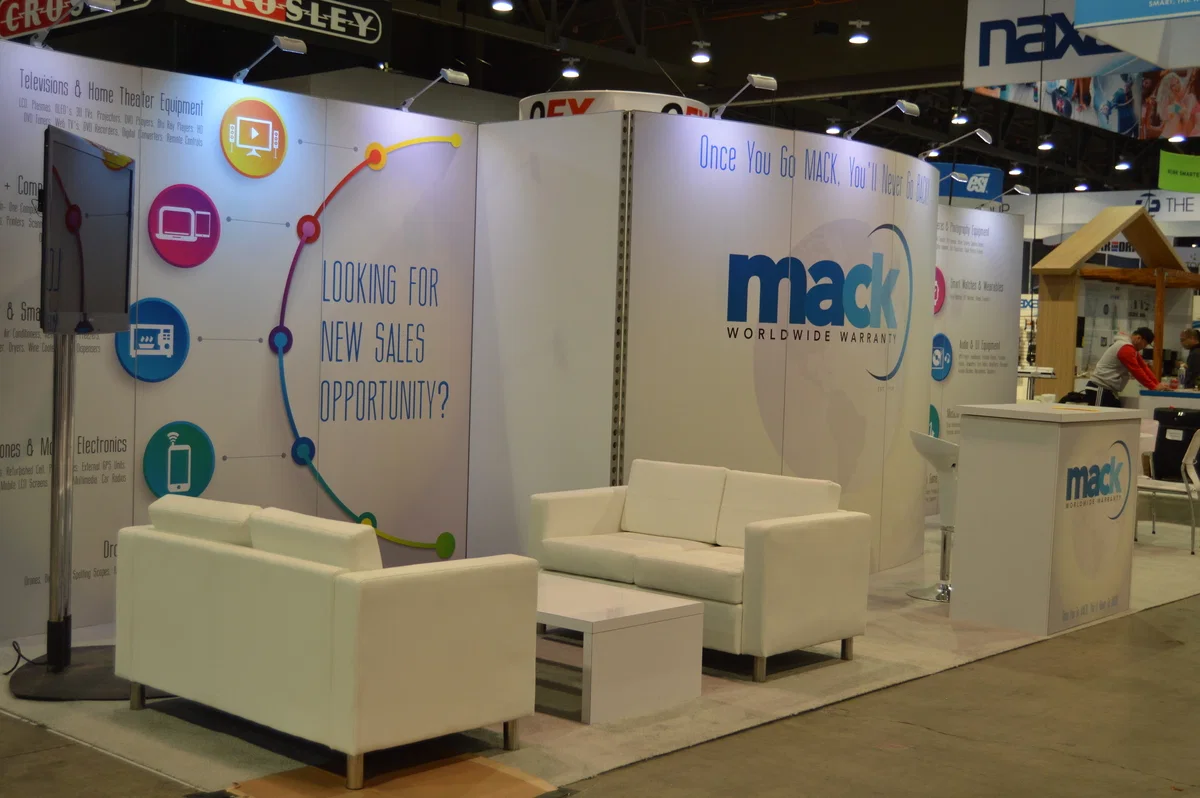
Columbus trade show planning starts with the exhibitor manual rather than general assumptions, since GCCC's own published rules on self-handling, labor, and freight differ from what an exhibitor may have experienced at a different convention center.
Trade Show Services execution priorities
- Which general service contractor is managing the specific show
- Freight and material-handling deadlines listed in the current exhibitor manual
- Whether the booth footprint qualifies for GCCC's self-handled allowances
The exhibitor manual is the actual source, not general trade-show experience
Every GCCC trade show publishes its own exhibitor manual with freight deadlines, booth specifications, and material-handling rates specific to that show and its general service contractor, and exhibitors who rely on experience from a different city's convention center risk missing a Columbus-specific rule, particularly around what counts as self-handled versus contracted freight.
GCCC identifies itself publicly as a non-union, right-to-work building with defined self-handled allowances, which is a real and useful fact for exhibitors, but it does not override whatever specific rules that show's general service contractor sets for material handling, so the manual still needs to be read rather than skipped.
Freight timing decides whether the booth opens on time
Material-handling deadlines in the exhibitor manual typically set a window for advance warehouse shipments and a separate window for direct-to-show-site freight, and missing either deadline usually means paying a higher rate or risking a late booth build relative to the show's opening.
Exhibitors with a self-handled, hand-carried footprint have more flexibility on timing than those relying on crated freight through the general contractor, but self-handled status should be confirmed against the specific show's rules rather than assumed from GCCC's general reputation.
- Read the freight deadlines in the current exhibitor manual before shipping anything
- Confirm self-handled eligibility with that show's general contractor, not GCCC generally
- Build in a buffer day before the show opens for any crated freight
Booth compliance checks happen before doors open
GCCC and the show's general contractor typically walk the floor before the show opens to confirm booth heights, hanging signs, and aisle clearance match what was submitted, and any booth that does not match its approved plan risks a request to modify it on the spot.
Submitting booth plans, especially for anything with hanging signage or a raised platform, well ahead of the show avoids this last-minute compliance conversation and keeps the booth's build schedule from running into the show's own opening-day inspection window.
- Submit booth plans with hanging signage or platforms well before the show
- Expect a pre-opening compliance walk of the floor by venue and contractor staff
- Keep a copy of the approved booth plan on-site during move-in
Lead retrieval and connectivity should be ordered like any other utility
Lead-retrieval devices and internet connectivity at a booth are typically ordered through the show's own systems or the venue's technology provider, separately from electrical and material-handling orders, and each usually carries its own deadline in the exhibitor manual.
Exhibitors who wait until move-in to request connectivity often find it more expensive or, in a fully booked hall, unavailable at all, so these orders should be placed alongside freight and utility orders rather than treated as a lower priority.
- Order lead retrieval and connectivity through the show's own systems, not informally
- Check the exhibitor manual for a separate technology-order deadline
- Place connectivity orders alongside freight and utility orders, not after
Questions about Trade Show Services
Does GCCC's non-union, right-to-work status mean any booth can self-handle freight?
No, self-handled eligibility should be confirmed against the specific show's exhibitor manual and general service contractor rules, not assumed from GCCC's general labor status alone.
What happens if a booth misses the exhibitor manual's freight deadline?
Late freight typically means a higher material-handling rate and a higher risk that the booth is not fully built by the time the show opens to attendees.
When does GCCC check booth compliance against the approved plan?
Typically during a floor walk before the show opens, so booths with hanging signage or raised platforms should submit plans well in advance to avoid a last-minute modification request.
Is the exhibitor manual the same for every GCCC trade show?
No, each show publishes its own manual specific to its general service contractor, dates, and floor plan, so a manual from a previous show should not be treated as current for a different one.
Should lead-retrieval and connectivity be ordered separately from freight?
They are usually ordered through separate show or venue systems with their own deadlines, so exhibitors should place those orders alongside freight and utilities rather than waiting until move-in.