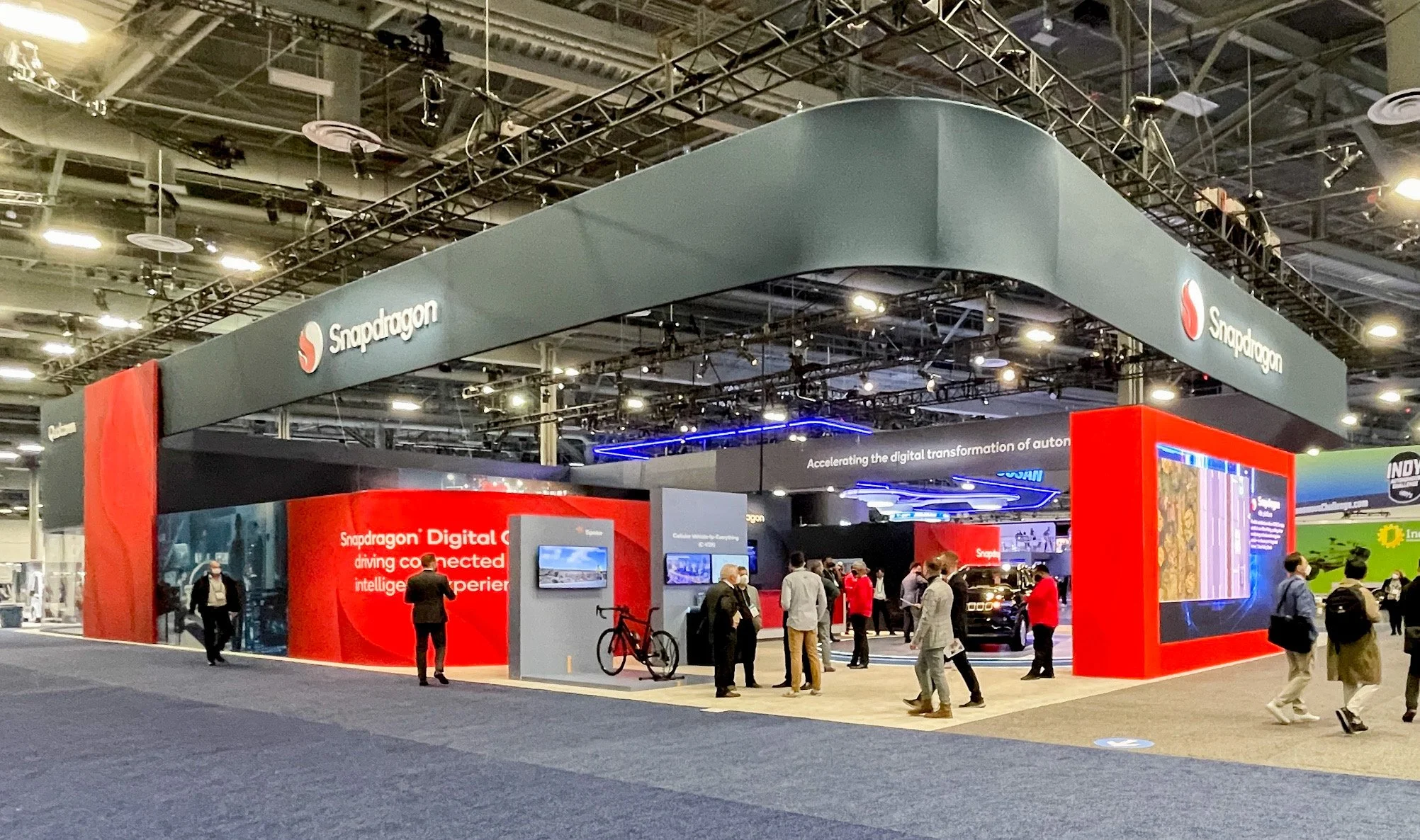
This page covers what makes modular exhibit systems actually reconfigurable across Columbus's different venue types rather than just reused as-is.
Modular Exhibit Systems execution priorities
- Component sizing kept flexible enough to fit both dock-delivered and drive-in venue conditions
- Reconfiguration hardware chosen to hold up across repeat pack-and-ship cycles between shows
- Modular exhibit systems planned around whichever building's rigging or floor-load rules apply that week
Why one footprint rarely fits every Columbus venue
A modular system sized for a subdivided GCCC exhibit hall may need reconfiguration before it fits a different footprint at an Ohio Expo Center fairgrounds building, since column spacing, aisle width, and available floor area vary by venue and even by hall section.
Modular exhibit systems designed with adjustable width or depth panels handle that variation more gracefully than a fixed-dimension build that assumes the same floor plan every time.
Packing for dock delivery and drive-in access alike
A system that needs to survive both a GCCC dock delivery through the marshalling yard and a drive-in delivery at a fairgrounds building should be packed in cases that hold up under repeated loading and unloading across many shows, not one handling cycle alone.
Reconfiguration hardware, connectors, and panel edges take the most wear over repeat cycles, so modular exhibit systems built for reuse should prioritize durable connection points over cosmetic details that will be refinished anyway between shows.
- Use adjustable-width or depth components rather than a fixed single-footprint design
- Choose case packing that survives repeated dock and drive-in handling
- Prioritize durable connectors and panel edges over cosmetic finishes that get refreshed between shows
Rigging and floor-load differences between bookings
A modular system that adds overhead elements needs its rigging plan checked against whichever hall it is currently booked into, since point-load limits and available rigging points can differ between a GCCC hall and a fairgrounds building.
Floor-load limits matter too, particularly for heavier modular components on an upper level or a raised platform, so modular exhibit systems plans should confirm both rigging and floor-load data for each new booking rather than reusing the prior show's figures.
Install labor across repeat bookings
Because GCCC identifies itself as a non-union, right-to-work building with published self-handled allowances, a modular system's install crew may be able to self-handle more of the assembly at that venue than at a location with different labor rules.
Modular exhibit systems plans that assume the same labor scope at every Columbus venue can run into surprises, so the specific show's labor rules should be checked each time the system is reused.
Storage between reconfigurations
A modular system that gets reconfigured between shows needs a storage plan that keeps components organized by configuration, since a system rebuilt incorrectly from mislabeled parts costs more time on the show floor than it saves in storage efficiency.
Modular exhibit systems benefit from clear labeling and a documented configuration guide kept with the stored components, especially when the system is reused across both downtown GCCC bookings and Ohio Expo Center fairgrounds bookings with different footprints.
Reviewing the configuration guide with the install crew before each new show, rather than assuming familiarity from a prior booking, helps modular exhibit systems go together correctly even when the crew or the specific venue has changed since the last use.
Questions about Modular Exhibit Systems
Do modular exhibit systems need reconfiguration between Columbus venues?
Often yes, since column spacing, aisle width, and available floor area vary between a subdivided GCCC exhibit hall and an Ohio Expo Center fairgrounds building, so adjustable-width or depth components handle that variation better than a fixed footprint.
What should packing prioritize for repeat use?
Cases and connection hardware should be built to survive repeated dock and drive-in handling across multiple shows, prioritizing durable connectors and panel edges over cosmetic finishes that get refreshed between bookings.
Does the rigging plan change between bookings?
Yes, point-load limits and available rigging points can differ between a GCCC hall and a fairgrounds building, so rigging and floor-load data should be confirmed for each new booking rather than reused from a prior show.
Is labor scope the same at every Columbus venue?
No, GCCC's self-handled allowances as a non-union, right-to-work building may allow more self-handled assembly there than at a venue with different labor rules, so the specific show's labor rules should be checked each time the system is reused.
How should components be organized in storage?
Components should be labeled by configuration with a documented guide kept alongside them, since a system rebuilt from mislabeled parts costs more time on the floor than it saves in storage efficiency.