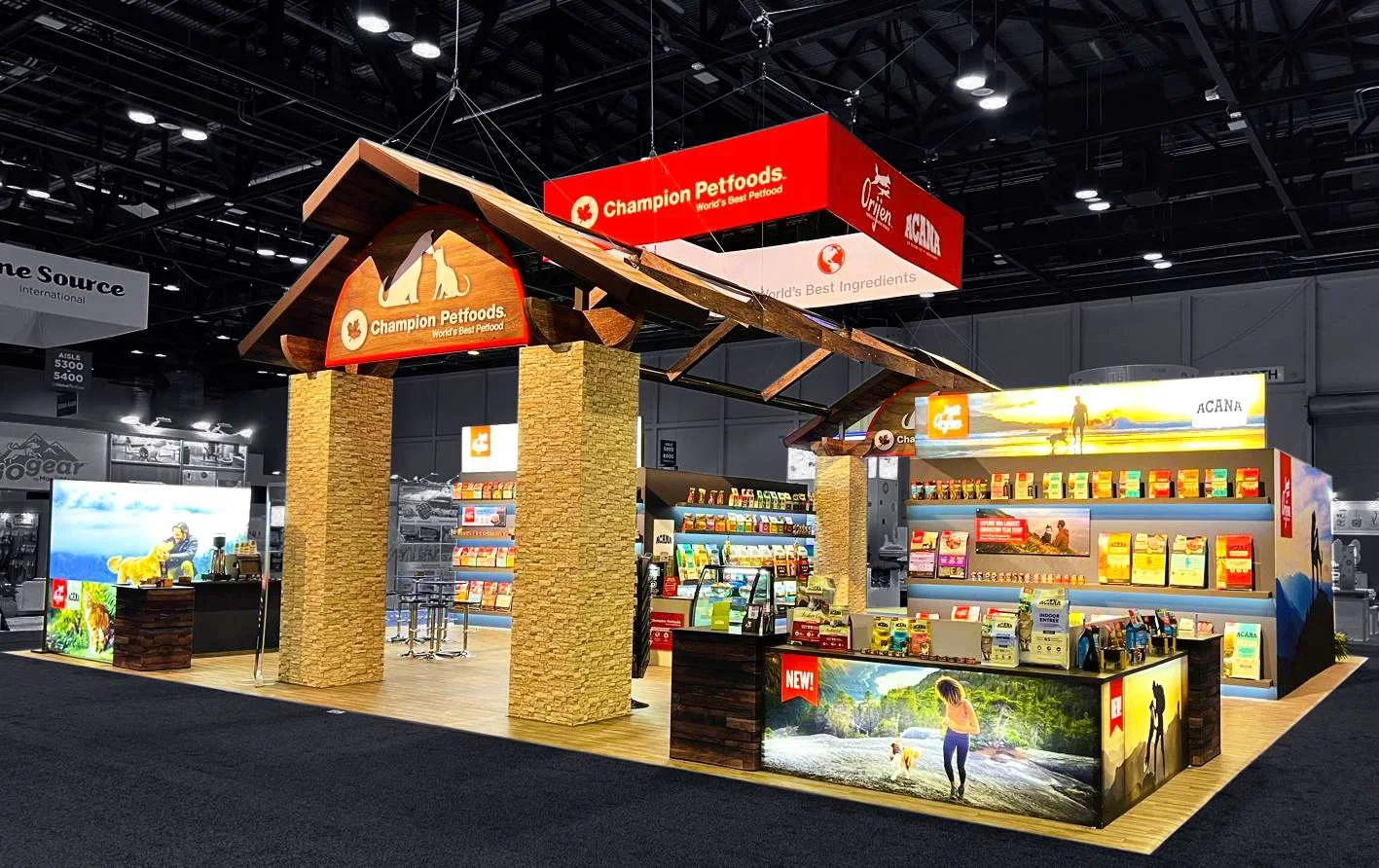
This page focuses on the receiving-venue details that change how custom exhibit builds should be engineered and shipped into Columbus.
Custom Exhibit Builds execution priorities
- Booth footprint and height checked against the specific GCCC hall or Ohio Expo Center building on the show contract
- Crating and transport sequencing tied to the marshalling yard and dock access the receiving venue actually uses
- Custom exhibit builds engineered so drive-in access at the fairgrounds is not assumed inside a downtown convention hall
Downtown halls versus fairgrounds buildings
The Greater Columbus Convention Center's exhibit halls are served by loading docks and a marshalling yard designed around scheduled freight, which suits detailed custom exhibit builds that arrive crated and get uncrated on the show floor.
The Ohio Expo Center's fairgrounds buildings, by contrast, offer drive-in access in several halls, which changes the math for a custom exhibit build that could otherwise skip crating if the piece can roll straight off a truck onto the floor.
What the GCCC floor plan actually allows
Custom exhibit builds sized for a GCCC hall should be checked against the venue's published capacity and floor-plan documents rather than a generic booth footprint, since column spacing and hall subdivisions vary by which section of the building is booked.
Height limits also depend on where in the hall the booth sits, so a two-story or tall single-story custom exhibit build needs its structural drawings reviewed against the specific location before fabrication starts.
- Confirm hall section and column spacing before finalizing footprint
- Check overhead rigging and height limits for the exact booth location
- Verify crate dimensions fit the dock and marshalling yard access, not the truck alone
Fabrication timeline and transport
Because custom exhibit builds are shop-fabricated before they ever reach Columbus, the transport plan has to account for whichever venue is booked, including whether the receiving dock can take an oversized crate or whether it needs to be broken down further.
Show-season timing also matters: a build headed for a downtown show competing with other events for GCCC floor time may need earlier fabrication completion than one headed for a fairgrounds building with more flexible drive-in scheduling.
Labor scope for install
GCCC identifies itself publicly as a non-union, right-to-work building with defined self-handled allowances, which affects how much of a custom exhibit build's install can be handled by the exhibitor's own crew versus venue-assigned labor.
That allowance should be confirmed against the current exhibitor manual for the specific show, since it is not the same as a blanket non-union claim for every venue in the metro.
Where fabrication crews stage locally
A custom exhibit build headed for a downtown show benefits from a staging point close to the Arena District, since last-minute touch-ups, hardware runs, or replacement parts are easier to source without a long drive across the city on move-in day.
For a fairgrounds booking on the north side near the Ohio Expo Center, the same logistics shift toward that corridor instead, so custom exhibit builds crews should plan their local staging location around whichever venue is actually receiving freight that week.
This local-staging detail is easy to overlook during design, but it becomes very visible on move-in day when a missing part or a last-minute repair needs a fast supplier trip rather than a multi-hour drive across the metro.
Questions about Custom Exhibit Builds
Do custom exhibit builds need different engineering for GCCC versus the fairgrounds?
Yes, because GCCC exhibit halls are served by scheduled dock freight while several Ohio Expo Center fairgrounds buildings allow drive-in access, which changes crating decisions and transport sequencing for the same booth design.
Can a custom exhibit build be self-handled at the Greater Columbus Convention Center?
GCCC publishes self-handled allowances as a non-union, right-to-work building, but the exact scope depends on the task and should be confirmed against the current exhibitor manual for the specific show.
What should be confirmed before finalizing a booth footprint?
Hall section, column spacing, overhead rigging points, and height limits for the exact booth location should all be confirmed against the venue's current floor-plan documents before fabrication drawings are locked.
Does show-season timing affect the fabrication schedule?
A build headed for a downtown show competing with other events for GCCC floor time may need earlier fabrication completion than one headed for a fairgrounds building with more flexible drive-in scheduling.
Does staging location matter for a custom build crew?
Yes, crews should stage close to whichever venue is receiving freight that week, downtown near the Arena District for a GCCC show or on the north side near the Ohio Expo Center for a fairgrounds show.