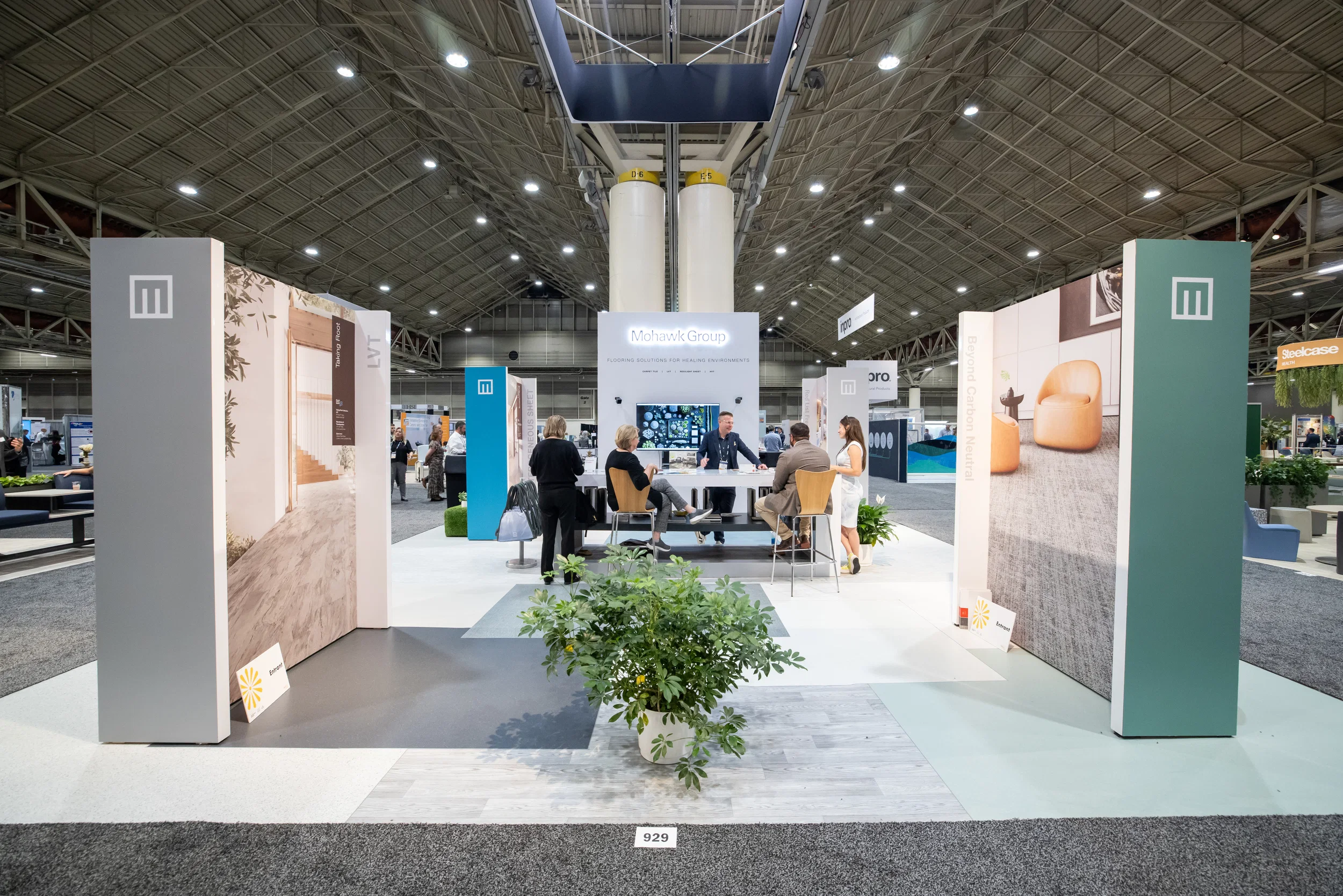
The planning emphasis for a healthcare meeting usually sits on documentation and session structure, since continuing-education credit tracking and attendee sign-in requirements add a layer that a typical trade show does not carry.
Healthcare Meeting Services execution priorities
- Attendance and sign-in documentation tied to continuing-education credit
- Session structure that separates clinical content from any vendor exhibit space
- Venue choice between the OSU-adjacent Olentangy corridor and downtown GCCC
Academic-adjacent venues fit certain healthcare meetings better than downtown
The Ohio State University campus area and the Olentangy corridor host venues, including the Fawcett Event Center, that fit smaller clinical meetings, academic sessions, and donor or fundraising events tied to the university's health sciences presence, which is a different audience profile than a downtown convention crowd.
A larger regional healthcare conference with an industry exhibit component, on the other hand, is more likely to need GCCC's hall space or a connected hotel ballroom, since those clinical meetings often pair sessions with a vendor floor that an academic venue is not built to host.
Continuing-education documentation changes the sign-in process
Sessions offering continuing-education credit typically require attendee sign-in at both the start and end of each session, not only a single event-level badge scan, so the check-in process needs to support session-level tracking rather than one-time registration.
This documentation requirement should be built into the room plan from the start, since sign-in tables at each session doorway take space and staffing that a standard conference agenda does not budget for.
- Plan for session-level sign-in, not only one event-level badge scan
- Staff sign-in tables at each doorway offering continuing-education credit
- Keep sign-in records organized by session, not by day
Vendor exhibit space should stay separate from clinical session rooms
When a healthcare meeting includes an industry vendor area, that space works best kept physically separate from the rooms hosting clinical or continuing-education sessions, both to avoid noise bleed into session rooms and to keep sign-in tracking clean for credit-bearing content.
GCCC's hall and prefunction layout can support this separation more easily than a single hotel ballroom can, which is one reason larger healthcare conferences with a vendor component often gravitate downtown rather than to a smaller academic venue.
- Keep vendor exhibit space physically apart from credit-bearing session rooms
- Confirm sound isolation between the exhibit area and nearby sessions
- Match venue choice to whether the meeting needs vendor exhibit space at all
Confidentiality expectations shape the room and materials plan
Healthcare meetings that touch patient case discussions, research data, or other sensitive material should confirm the room's privacy characteristics, such as whether walls and doors provide real sound isolation, rather than assuming any meeting room is suitable for confidential discussion.
Printed materials distributed during these sessions should also be tracked and collected where appropriate, since a hallway or prefunction area shared with an unrelated event increases the chance that sensitive handouts are left behind or picked up by the wrong attendee.
- Confirm real sound isolation for any confidential session content
- Track and collect sensitive printed materials rather than leaving them out
- Avoid assuming every meeting room is suitable for confidential discussion
Questions about Healthcare Meeting Services
Is the Fawcett Event Center suited to a large regional healthcare conference?
It fits smaller academic, clinical, or donor-focused healthcare meetings well, but a larger conference with an industry vendor floor typically needs GCCC's hall space instead.
Does continuing-education credit change how registration is staffed?
Yes, since credit-bearing sessions typically require sign-in at the start and end of each individual session, which needs staffed tables at each doorway rather than a single event-level badge scan.
Why keep vendor exhibit space away from clinical session rooms?
To avoid noise bleed into sessions and to keep continuing-education sign-in tracking clean, since mixing the two spaces makes both harder to manage.
Does a healthcare meeting need a general service contractor?
Only if it includes a vendor exhibit component large enough to need booth setup and freight handling; a purely academic or clinical session schedule usually does not.
Are all meeting rooms suitable for confidential clinical discussion?
No, a room's actual sound isolation should be confirmed rather than assumed, particularly for sessions touching patient case discussions or sensitive research data.
Does the venue choice affect continuing-education documentation?
Not directly, since sign-in and credit tracking are handled by the meeting organizer regardless of venue, but a venue with more separate, closable rooms makes it easier to keep session-level sign-in tables from interfering with each other.