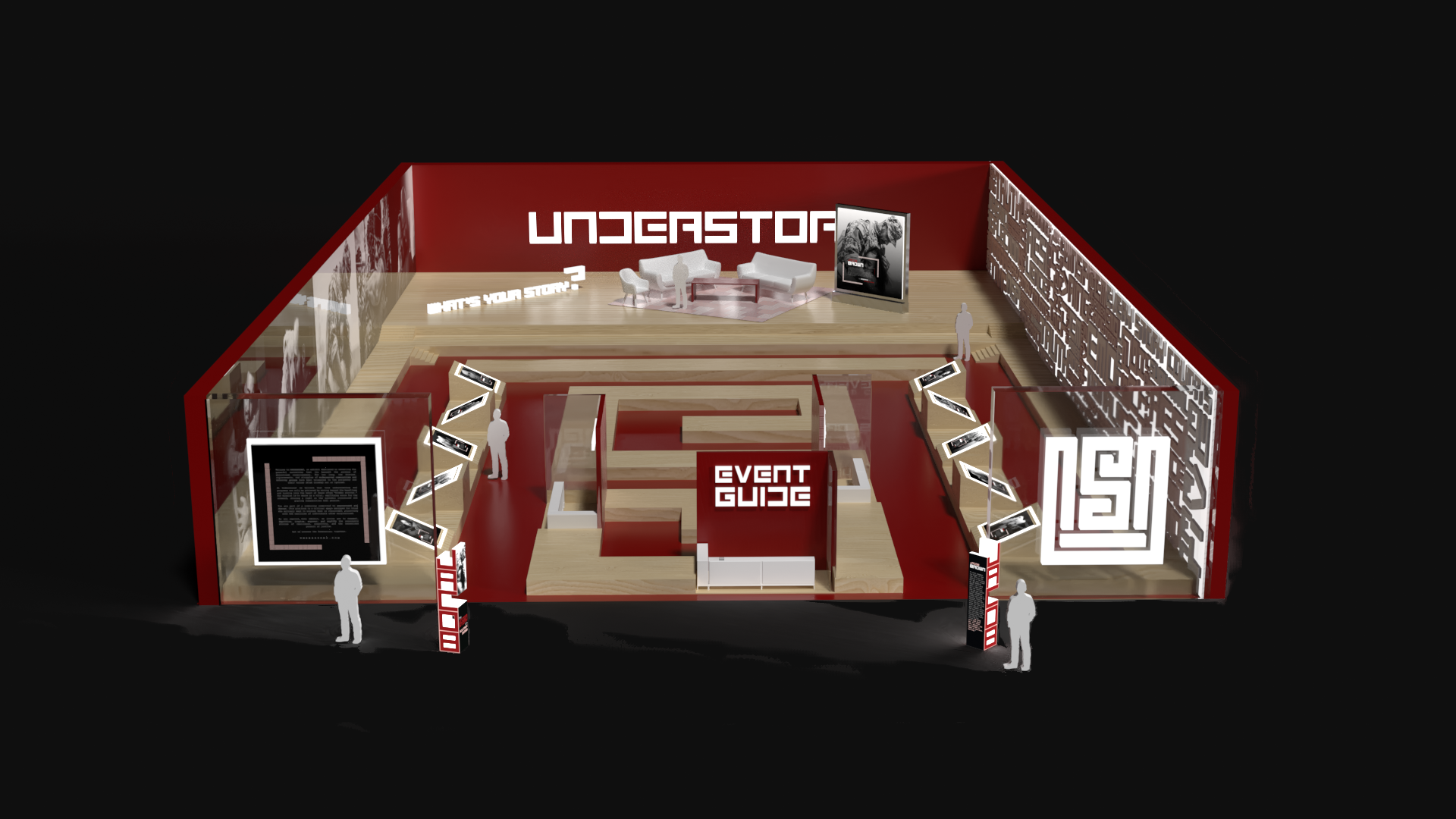
This page separates the venue-driven decisions in corporate event environment design from the generic advice that ignores what each Columbus building actually allows.
Corporate Event Environment Design execution priorities
- Venue selection weighed between convention-hall flexibility and the character of a museum or garden setting like COSI or Franklin Park Conservatory
- Environment elements sized to the room's actual ceiling height, floor load, and utility access rather than a stock package
- Corporate event environment design scheduled around load-in windows that a non-exhibit venue may not run on a show-week clock
Choosing between a convention hall and a destination venue
A program built inside the Greater Columbus Convention Center gets loading docks, marshalling space, and a facility crew used to daily move-in and move-out, which suits large corporate general sessions or multi-room summits.
A program at COSI or the Franklin Park Conservatory trades that infrastructure for a distinctive backdrop, so corporate event environment design in those buildings has to work around gallery floors, glasshouse sightlines, and access rules that were not written for trade-show freight.
What downtown hotel space adds to the mix
Hilton Columbus Downtown and Hyatt Regency Columbus both operate ballroom and meeting-room programs that sit close to the convention center, and the Hyatt property is connected to the GCCC by a covered walkway.
That proximity lets a corporate event environment design plan split a general session in the convention center from a reception in a connected hotel ballroom without a long outdoor transition for guests or freight.
- Confirm ceiling height and hang points before ordering fabricated environment pieces
- Check whether the venue runs its own in-house AV or allows outside vendors
- Map guest flow between buildings if the program spans more than one venue
Working inside a non-exhibit venue
The Franklin Park Conservatory is a working botanical garden, not a convention hall, so its own materials describe event use around the glasshouse and grounds rather than a column-free exhibit floor.
Corporate event environment design for a conservatory or museum booking has to treat floor protection, climate limits, and existing exhibits as fixed constraints rather than adjustable variables, which changes both the material choices and the install timeline.
Sequencing around the show calendar downtown
Corporate bookings inside the Greater Columbus Convention Center still compete for dock time and hall availability with trade shows running the same week, so a summit or product launch needs its move-in slot confirmed early in the planning cycle.
Because GCCC identifies itself as a non-union, right-to-work building with published self-handled allowances, some environment-build tasks can be handled by the client's own crew, but that scope should be verified against the current venue packet rather than assumed.
Seasonal timing around the show calendar
Downtown Columbus event space competes for calendar slots with the city's convention and meeting business, so a corporate program aiming for a specific month should confirm venue availability early rather than assuming an open calendar.
Corporate event environment design timelines set for a summer date should also account for the Ohio State Fair's use of the Ohio Expo Center grounds, which can affect availability and traffic patterns on the north side of the city during that stretch.
A planner working several months out should check both the venue's own calendar and the broader city event calendar, since corporate event environment design decisions made without that check sometimes collide with an unrelated event drawing on the same district's hotel rooms or parking.
Questions about Corporate Event Environment Design
Is a convention hall or a destination venue better for a corporate program in Columbus?
A convention hall like the Greater Columbus Convention Center suits large multi-room summits that need loading docks and daily move-in support, while a destination venue such as COSI or the Franklin Park Conservatory suits smaller programs that want a distinctive setting and can work within that venue's access rules.
Can corporate event environment design pieces be self-handled at GCCC?
GCCC publishes self-handled allowances as a non-union, right-to-work building, but the scope varies by task, so it should be confirmed against the current exhibitor or event manual rather than assumed from a prior booking.
How does the Hyatt Regency connection change a downtown program?
Because Hyatt Regency Columbus links to the Greater Columbus Convention Center by a covered walkway, a program can run a general session in one building and a reception in the other without an outdoor transition for guests.
What changes when the venue is a museum or garden instead of a convention hall?
Floor protection, climate control limits, and existing exhibits become fixed constraints rather than adjustable variables, so corporate event environment design has to work with what the venue already protects, not a blank floor plan.
Does the Ohio State Fair affect summer scheduling?
The Ohio State Fair uses the Ohio Expo Center grounds during the summer, which can affect availability and traffic on the north side of the city, so a summer date should be confirmed against that calendar.