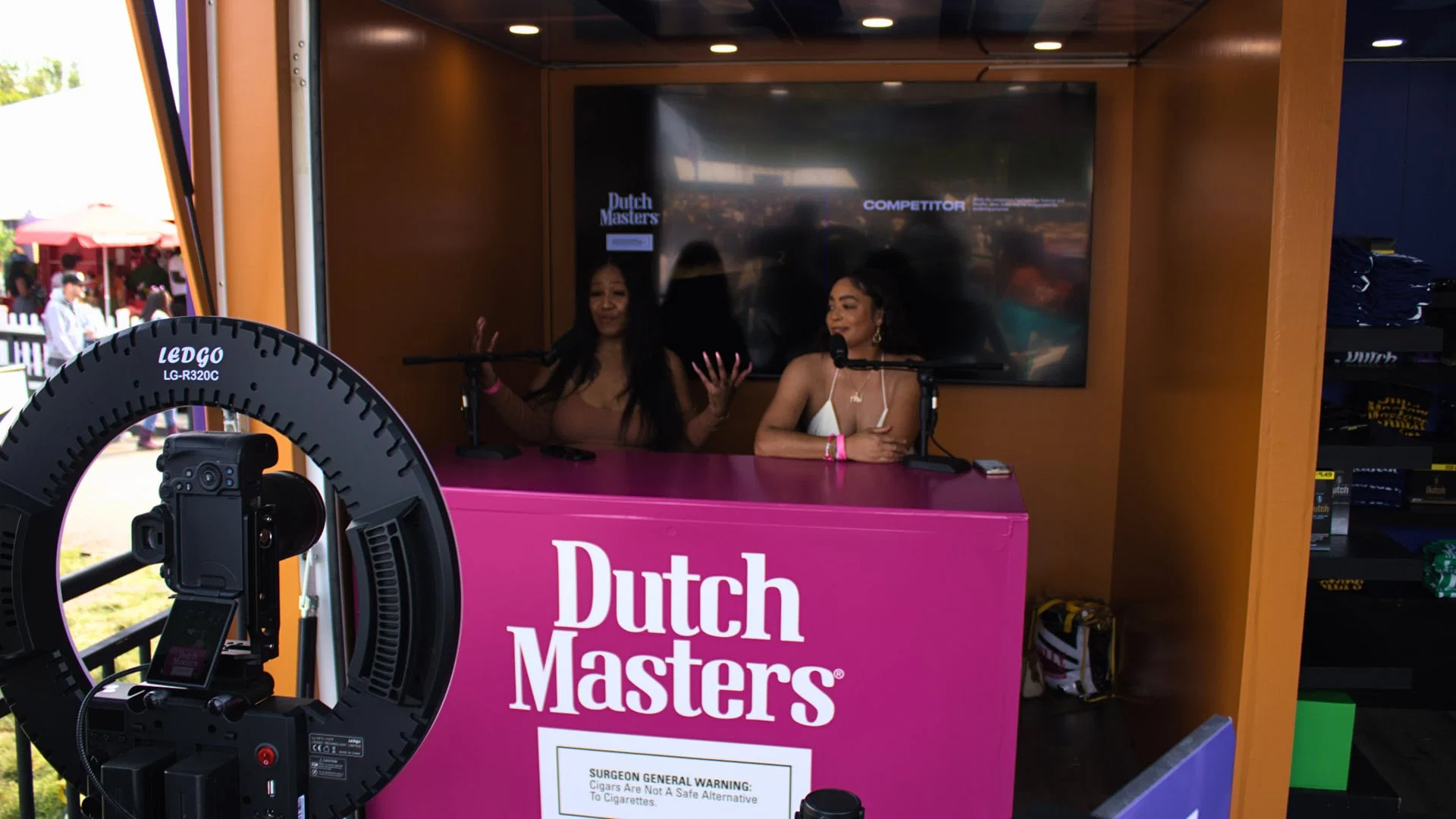
Because activations are built for foot traffic and dwell time rather than badge scans, the planning questions differ from a standard exhibit booth: sidewalk permitting, weather contingency, and proximity to where people are already walking matter more than aisle assignments.
Brand Activation Services execution priorities
- Whether the activation sits on public sidewalk, private plaza, or inside a leased hall
- How Short North foot traffic patterns compare to a controlled convention floor
- What outdoor activations need for weather, power, and teardown timing
Short North foot traffic behaves differently than a convention aisle
The Short North Arts District sits just north of downtown along High Street and draws steady gallery, restaurant, and retail traffic independent of any single event, which makes it attractive for brand activations that want visibility beyond a badge-holder audience. That same independence means an activation has to compete for attention rather than relying on a captive show-floor crowd.
A Short North placement typically requires coordination with the property or district association rather than a convention center exhibitor desk, and any structure larger than a simple pop-up tent usually triggers a separate permitting conversation with the city.
Downtown plaza and hotel-adjacent activations tie back to GCCC traffic
An activation staged near GCCC or along the connected hotel corridor to the Hyatt Regency or Hilton Columbus Downtown can still capture convention attendees without occupying paid floor space inside the exhibit hall, which is often the point for a sponsor that wants exposure without a full booth package.
That placement still has to respect the venue's own rules on where structures can sit relative to fire lanes and building entrances, so the activation footprint should be confirmed against the current venue planning packet rather than assumed from a rendering.
- Confirm whether the activation counts as an official show element or a separate street-level build
- Check clearance from building entrances, fire lanes, and loading docks
- Plan signage and lighting for evening hours if the activation runs after the show floor closes
Self-handled builds versus rigged, powered structures
A lightweight activation built from banner stands, a folding counter, and battery-powered lighting can usually move in and out with a small crew and no material-handling order, especially given the non-union, self-handled allowances GCCC publishes for exhibitor-scale work. A larger structure with rigging, generator power, or a raised platform is a different category and should be scoped with the venue directly.
Weather is the other variable that a downtown convention hall never has to plan for: any Short North or plaza activation needs a rain and wind contingency, including how quickly the structure can be struck if conditions turn.
- Separate the self-handled footprint from anything needing rigging or generator power
- Write a weather contingency into the run-of-show, not only the load-in plan
- Confirm teardown timing against district or city curfew rules
Staffing an activation differs from staffing a booth
Activation staff need to work a crowd that is not obligated to stop, unlike badge-holders walking a show floor, which means brand ambassadors typically need training geared toward pedestrian engagement rather than the more passive booth-greeting style used inside a convention hall.
Shift length also matters more for an outdoor or street-level activation, since standing and engaging a moving crowd for a full day is more demanding than staffing a seated hospitality area, and schedules should build in real breaks rather than assuming one crew can run the whole day.
- Train staff for active pedestrian engagement, not passive booth greeting
- Build in real shift breaks for outdoor or street-level activation crews
- Plan staffing levels around peak foot-traffic hours in the Short North or plaza location
Questions about Brand Activation Services
Is a Short North activation part of a convention center event or a separate booking?
It is almost always a separate booking with the property or district rather than an extension of a GCCC show, even when it is timed to coincide with a downtown event.
Do outdoor activations near GCCC need their own permit?
Usually yes, since anything placed outside the leased hall on a sidewalk, plaza, or street typically falls under city permitting rather than the venue's exhibitor manual.
Can a small activation skip a general service contractor?
A simple, self-handled setup with banner stands and folding furniture often can, but anything with rigging, generator power, or a raised platform should be scoped with the venue or a licensed contractor first.
What is the biggest risk for an outdoor Columbus activation?
Weather turning during peak dwell-time hours without a pre-agreed teardown trigger, which can put staff and product at risk if the contingency was never written down.
Does activation staff training differ from booth staff training?
Yes, activation staff typically need training for engaging a moving pedestrian crowd rather than the more passive greeting style used for badge-holders walking a convention aisle.