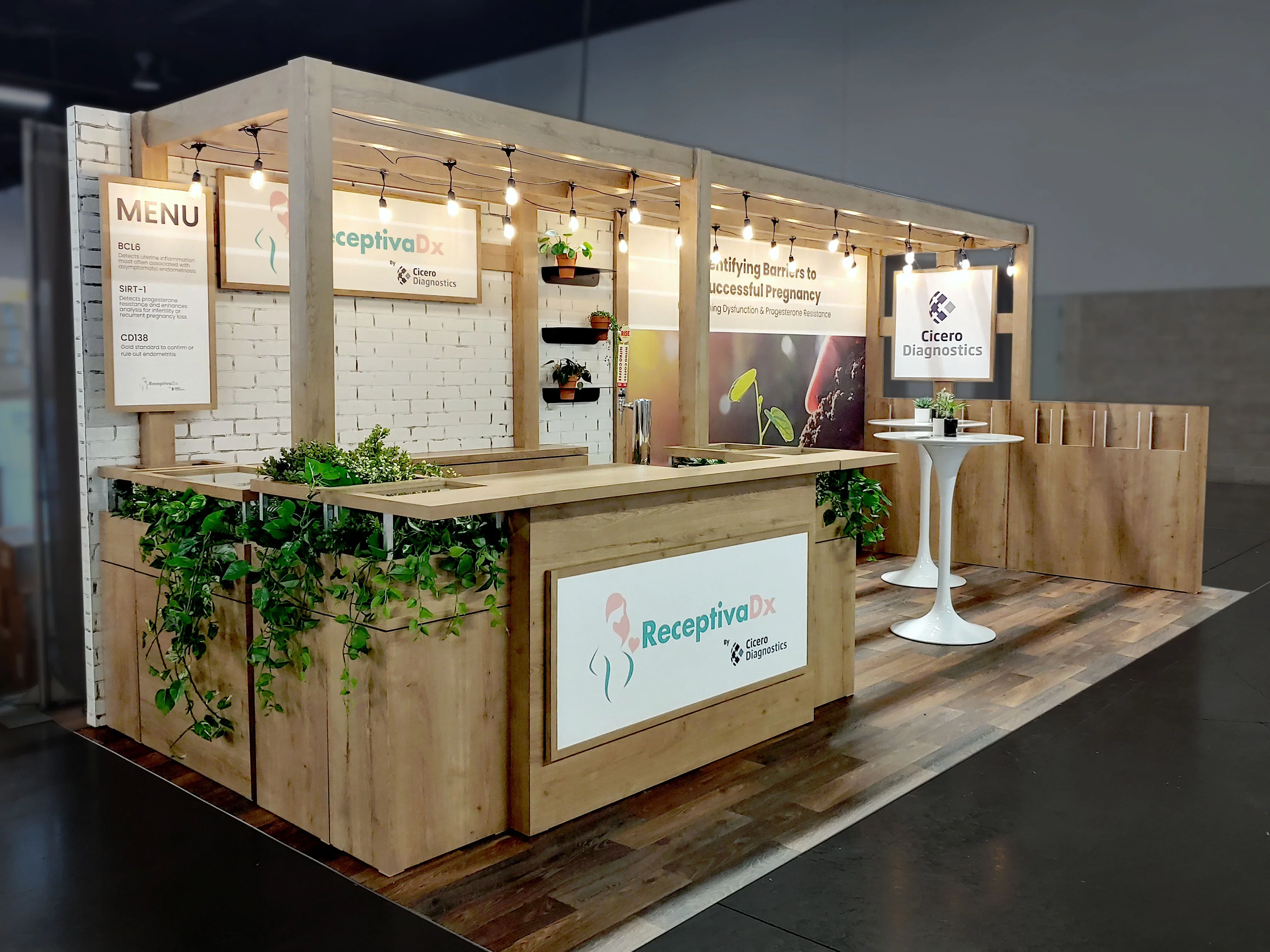
Columbus draws a mixed calendar of downtown consumer expos, association conventions, and the annual Arnold Sports Festival, and each of those bookings fills the Greater Columbus Convention Center's contiguous exhibit halls differently, which is why a custom booth plan for this market starts with the hall assignment rather than the rendering.
The notes below are written around published venue conditions rather than generic booth-building copy, so treat them as a planning checklist for anyone bringing a bespoke build into downtown Columbus.
Custom Exhibit Booths execution priorities
- Confirm the assigned hall and ceiling height before finalizing any structure taller than standard pipe-and-drape
- Coordinate rigging points and electrical drops with the general service contractor during move-in week, not after
- Separate the custom exhibit booth's install labor from any self-handled elements exhibitors plan to carry in themselves
- Check whether the show is running through Battelle Grand or the main exhibit halls, since sightlines and dock distance differ
Why hall assignment drives the custom exhibit booth design
The Greater Columbus Convention Center's exhibit halls sit on one contiguous concourse, but ceiling heights, column spacing, and dock proximity are not identical hall to hall, and a custom exhibit booth designed against the wrong assumption ends up needing field changes during move-in.
A booth built with tall backwalls or suspended signage needs the rigging capacity and drawing approval confirmed for the specific hall before fabrication starts, because a design that works in one exhibit hall can exceed the clearance in another.
Downtown versus expo-campus builds
A custom exhibit booth going into the Greater Columbus Convention Center moves through a controlled dock system connected to downtown streets, while the same booth built for a show at the Ohio Expo Center and State Fairgrounds is more likely to load through drive-in doors in buildings like the Bricker Building or Celeste Center.
That difference changes crate sizing, unloading sequence, and how much of the structure can be pre-built off-site versus assembled on the floor.
- Greater Columbus Convention Center: dock-fed exhibit halls, downtown corridor
- Ohio Expo Center and State Fairgrounds: drive-in access, wider staging lanes
- Battelle Grand: ballroom-style general session space within the convention center
Labor, paperwork, and the self-handled question
Columbus is not a blanket union market, and the Greater Columbus Convention Center publishes its own exhibitor rules on what can be self-handled versus what needs the general service contractor, which matters for a custom exhibit booth that mixes vendor-built structure with exhibitor-carried components.
Getting that split wrong on the exhibitor kit paperwork is one of the more common reasons a custom build loses time during move-in, so the labor plan for a custom exhibit booth should be confirmed against the current exhibitor manual rather than assumptions carried over from another city.
- Pull the current exhibitor service kit for the specific show and venue
- Confirm which install tasks fall under the general service contractor
- Flag any self-handled items separately on the paperwork before move-in
Working around the Columbus show-season calendar
The Greater Columbus Convention Center's calendar runs heaviest in late winter around the Arnold Sports Festival and again through the spring and fall convention months, and a custom exhibit booth scheduled to build in that window is competing with other shows for general service contractor time and labor availability.
Locking a build date and confirming labor availability early in that stretch keeps a custom exhibit booth from being pushed to whatever slot is left once busier bookings have claimed the preferred crews.
Questions about Custom Exhibit Booths
Does the Greater Columbus Convention Center allow custom exhibit booths of any height?
Ceiling height and rigging capacity vary by hall, so a custom exhibit booth with a tall backwall or hanging sign needs the specific hall confirmed and, in many cases, a drawing submitted ahead of move-in rather than assumed from a floor plan alone.
Is Columbus a union labor market for custom exhibit booth installs?
No single label fits. The Greater Columbus Convention Center identifies itself as a non-union, right-to-work building with published self-handled allowances, but hotel ballrooms and other venues can run differently, so the labor plan should be confirmed venue by venue.
How far in advance should a custom exhibit booth be finalized for a Columbus show?
Because rigging and electrical need general service contractor sign-off, a custom exhibit booth design is best locked well before the show's exhibitor kit deadline rather than during move-in week, when hall-specific exceptions are harder to get approved.
Does the venue change between downtown shows and Ohio Expo Center shows?
Yes. The Greater Columbus Convention Center is a dock-fed downtown facility connected to hotel campuses, while the Ohio Expo Center and State Fairgrounds relies more on drive-in access across separate buildings, which changes how a custom exhibit booth gets built and staged.