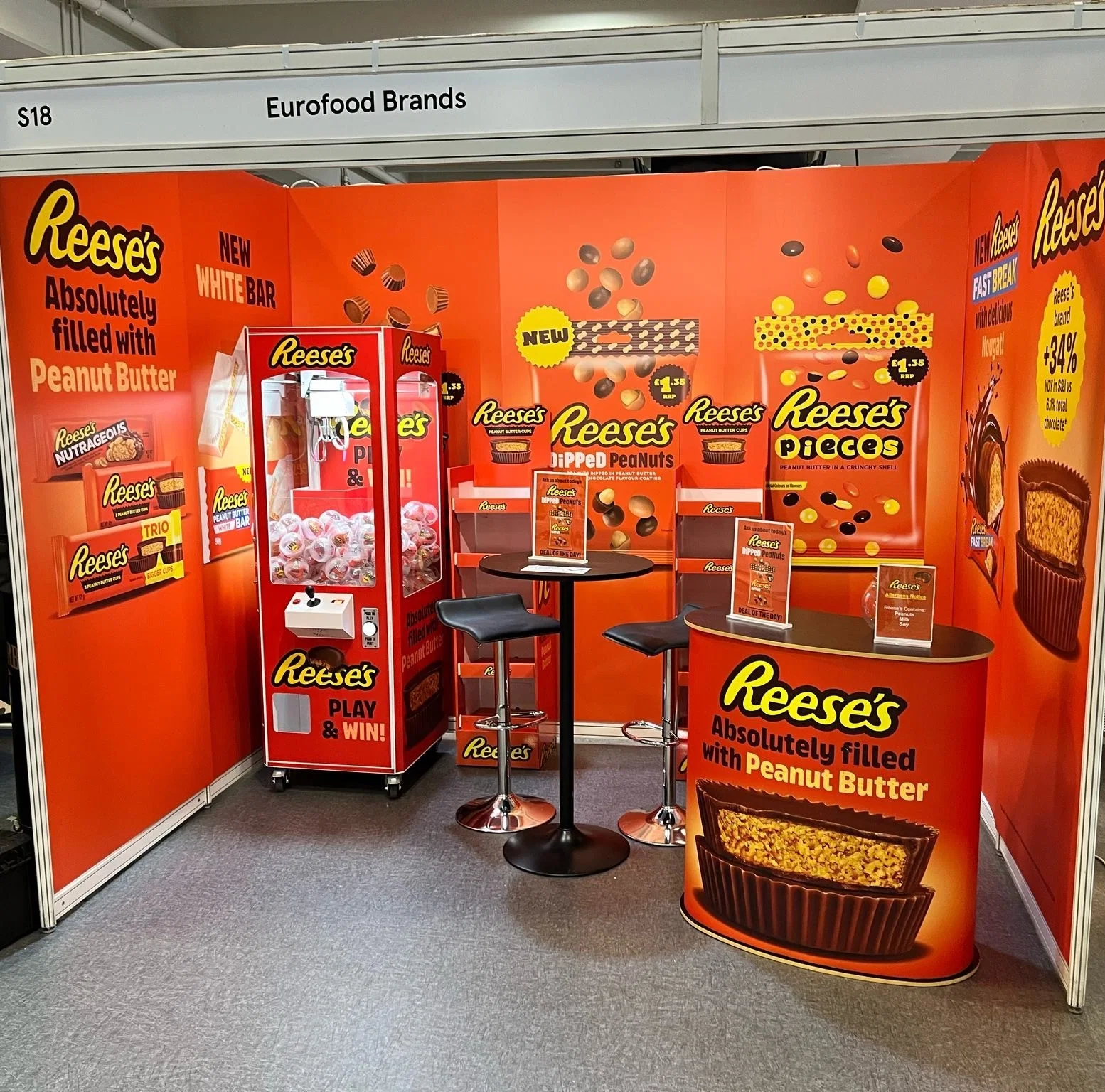
The core planning decision is scale: a launch with a modest guest list and a controlled press pool fits a hotel ballroom, while a launch designed around a larger public or trade audience needs the sightlines and capacity of a full convention hall.
Product Launch Services execution priorities
- A room choice sized to the actual guest and press list, not an aspirational one
- Controlled access at the reveal moment separate from general event access
- A staging and AV plan designed around one key moment rather than a full-day agenda
Ballroom versus convention hall comes down to scale and control
Battelle Grand or a similar hotel ballroom suits a launch with a controlled guest list, a defined press pool, and a single stage, since the room's fixed layout supports tight sightlines and simpler access control than a larger open hall.
A launch aimed at a larger trade or public audience, especially one paired with a broader show or expo happening at GCCC the same week, typically needs a full hall's floor space and rigging capacity to support a bigger stage, a longer sightline, and a larger press riser.
The reveal moment needs its own access plan
Unlike a trade show booth that stays open the same way all day, a product launch usually has one specific moment, the unveiling itself, that needs tighter access control than the rest of the event, whether that means a curtained stage, a controlled press riser, or a held door until the countdown ends.
Press access in particular should be planned as its own credential tier separate from general guest access, since media often need earlier access for camera positioning and later access for post-reveal interviews that general guests should not be part of.
- Treat the reveal moment as a separate access tier from general guest entry
- Give press their own credential and camera-position plan
- Hold the room or curtain until the specific reveal cue, not a fixed clock time
Staging and AV should serve one key beat, not a full agenda
Because a product launch usually centers on a short window rather than a full day of programming, the AV and lighting plan can be more concentrated than a standard conference build, with more budget and rehearsal time going into the single reveal cue rather than spread evenly across hours of content.
That concentration also means rehearsal time matters more here than on a typical show floor: the reveal cue, whether it is a lighting change, a reveal mechanism, or a video trigger, should be run through in full at least once before doors open, not only checked technically.
- Put rehearsal priority on the single reveal cue over general run-of-show
- Confirm the reveal mechanism works end to end, not only that each piece powers on
- Keep general session AV simpler if the budget is concentrated on the reveal
Video and livestream needs should be scoped separately from in-room AV
A launch that plans to livestream or record the reveal for later distribution needs its own connectivity and camera-position plan, separate from the in-room AV serving guests physically present, since bandwidth and camera sightlines are a different technical problem than house sound and lighting.
Confirming internet bandwidth at the specific room, whether at Battelle Grand or a GCCC hall, well before the event avoids discovering a connectivity shortfall during the one moment the entire launch is built to capture.
- Scope livestream connectivity separately from in-room AV
- Confirm camera positions do not conflict with the general guest sightline
- Test bandwidth at the specific room well before the reveal, not the day of
Questions about Product Launch Services
Should a product launch book a hotel ballroom or a GCCC hall?
That depends on guest and press list size; a controlled, invitation-only reveal fits a ballroom like Battelle Grand, while a larger trade or public audience usually needs a full convention hall.
How should press access differ from general guest access at a launch?
Press should get their own credential tier with earlier access for camera positioning, since mixing media and general guest access at the reveal moment tends to create access-control problems.
Does a product launch need less rehearsal than a full-day conference?
Less total content, but the specific reveal cue itself needs more focused rehearsal than a typical conference session, since it is the one moment the entire event centers on.
Can a product launch share a week with a larger GCCC show?
Yes, and pairing a launch with a broader trade audience already in town can help attendance, though it also means coordinating the launch's access plan with the host show's schedule.
Does livestreaming the reveal need its own technical plan?
Yes, connectivity and camera positioning for a livestream should be scoped and bandwidth-tested separately from the in-room AV serving guests physically present.