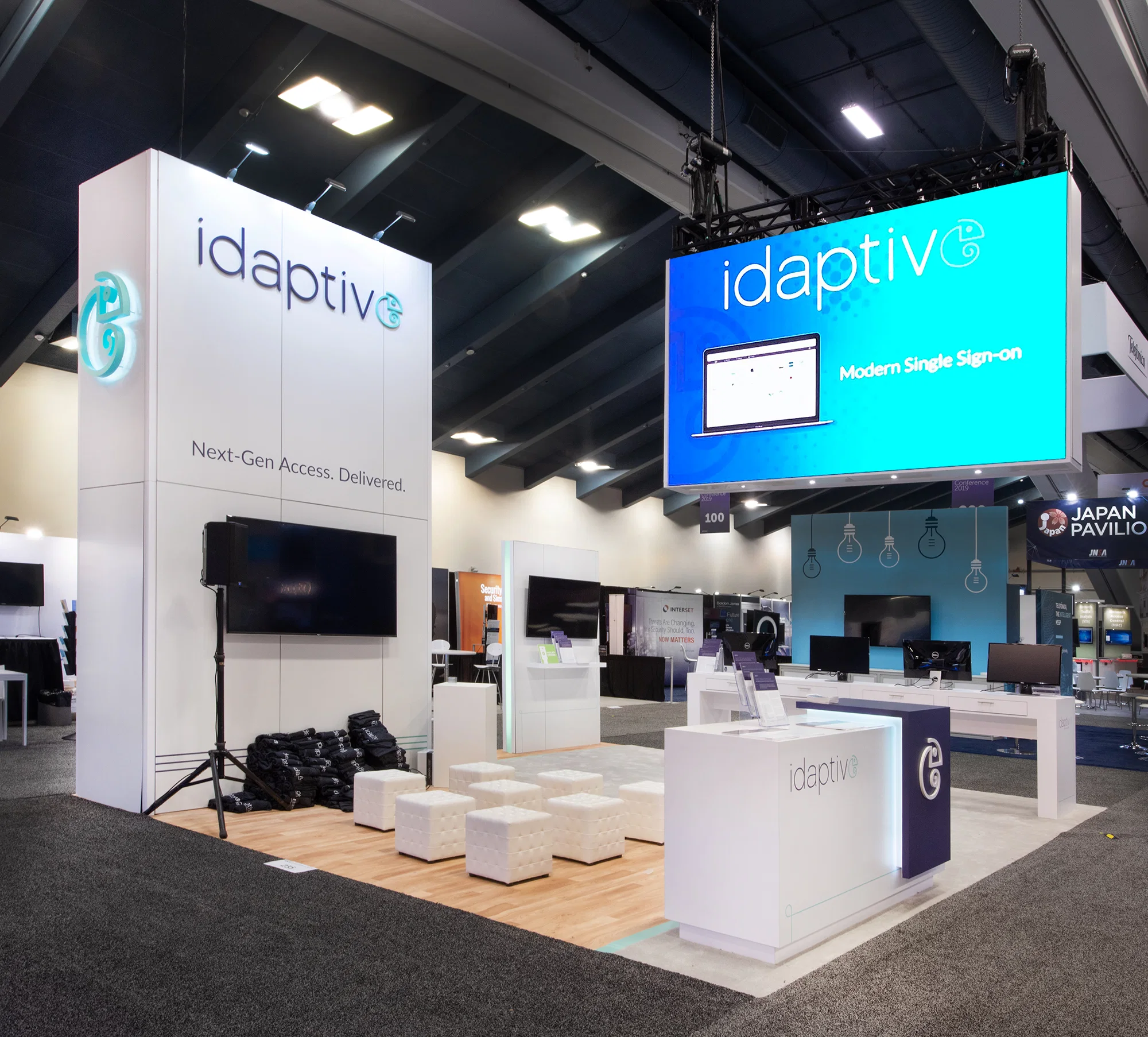
A large video wall reads very differently up close on a show floor than it does across a general session room, and getting pixel pitch and mounting method wrong is one of the more expensive mistakes to fix after an LED wall is already built and powered on-site.
LED Wall Rental for Exhibits execution priorities
- Choosing pixel pitch based on closest expected viewing distance
- Deciding between ground-supported and rigged installation early
- Confirming power and data runs match the venue's available drops
Pixel pitch should match viewing distance, not screen size alone
A tighter pixel pitch looks sharp up close, which matters for a booth wall attendees stand a few feet from, while a wider pitch is usually fine, and more cost-effective, for a general-session backdrop viewed from many rows back.
Choosing pixel pitch by screen size alone, without accounting for how close the closest viewer will actually stand, tends to either overspend on resolution nobody notices or undersize a booth wall that ends up looking pixelated at normal viewing distance.
Ground-supported or rigged changes the whole plan
A ground-supported LED wall needs floor space for its support structure and typically has to sit further back from the front of a booth than a rigged wall would, while a rigged installation depends on the venue's available hang points and rigging service, which at most convention centers is handled as a house-exclusive task even when general labor is open.
Deciding between the two early affects booth layout, sightlines, and the rigging order that needs to go in ahead of move-in, so it is not a decision that can wait until the crew is on-site.
Power and data have to match what the venue actually provides
LED walls draw meaningfully more power than a single monitor or speaker setup, and larger walls also need reliable data runs from a media server or laptop, both of which have to be ordered against the venue's actual available drops rather than assumed from a generic checklist.
Confirming those specifications with the venue's utility order form ahead of time, rather than discovering a shortfall during setup, keeps an LED wall install from stalling out on the one day the schedule has no slack left.
- Pick pixel pitch based on the closest expected viewing distance
- Decide ground-support versus rigged installation before booth layout is finalized
- Order power and data against the venue's utility form, not a generic estimate
Bringing an LED wall install together
Once pixel pitch, mounting method, and utilities are settled, an LED wall install is largely a matter of sequencing: structure or rigging first, then panels, then cabling, power, and content testing before the floor opens.
Building that sequence into the overall show schedule, rather than treating the LED wall as a same-day add-on, is what keeps a large-format display from becoming the one element still being tested as doors open.
It also pays to have a backup plan for content playback, whether that is a spare media player or a locally stored copy of the show file, since a wall that is otherwise fully installed can still be delayed by a single point of failure in the content chain.
Questions about LED Wall Rental for Exhibits
How is pixel pitch chosen for an LED wall?
Based on the closest expected viewing distance rather than screen size alone, since a tighter pitch is needed up close on a booth wall but a wider pitch works fine for a general-session backdrop viewed from further back.
Is a ground-supported or rigged LED wall better for a booth?
It depends on available floor space and rigging points. Ground-supported walls need more floor depth, while rigged walls depend on the venue's hang points and rigging service, which is often a house-exclusive task.
What should be confirmed before ordering power for an LED wall?
The venue's utility order form and available power drops, since large LED walls draw significantly more power than standard AV equipment and need to be planned against actual venue capacity.
When should LED wall installation be scheduled during move-in?
Early in the sequence, structure or rigging first, then panels, cabling, and testing, so content is confirmed working well before the show floor opens rather than during the final hours.
Can an LED wall be rescheduled once rigging is booked?
Usually not without extra cost or delay, since rigging orders at most venues need to be submitted in advance and changing the plan afterward often means resubmitting the request and losing the original hang-point reservation.