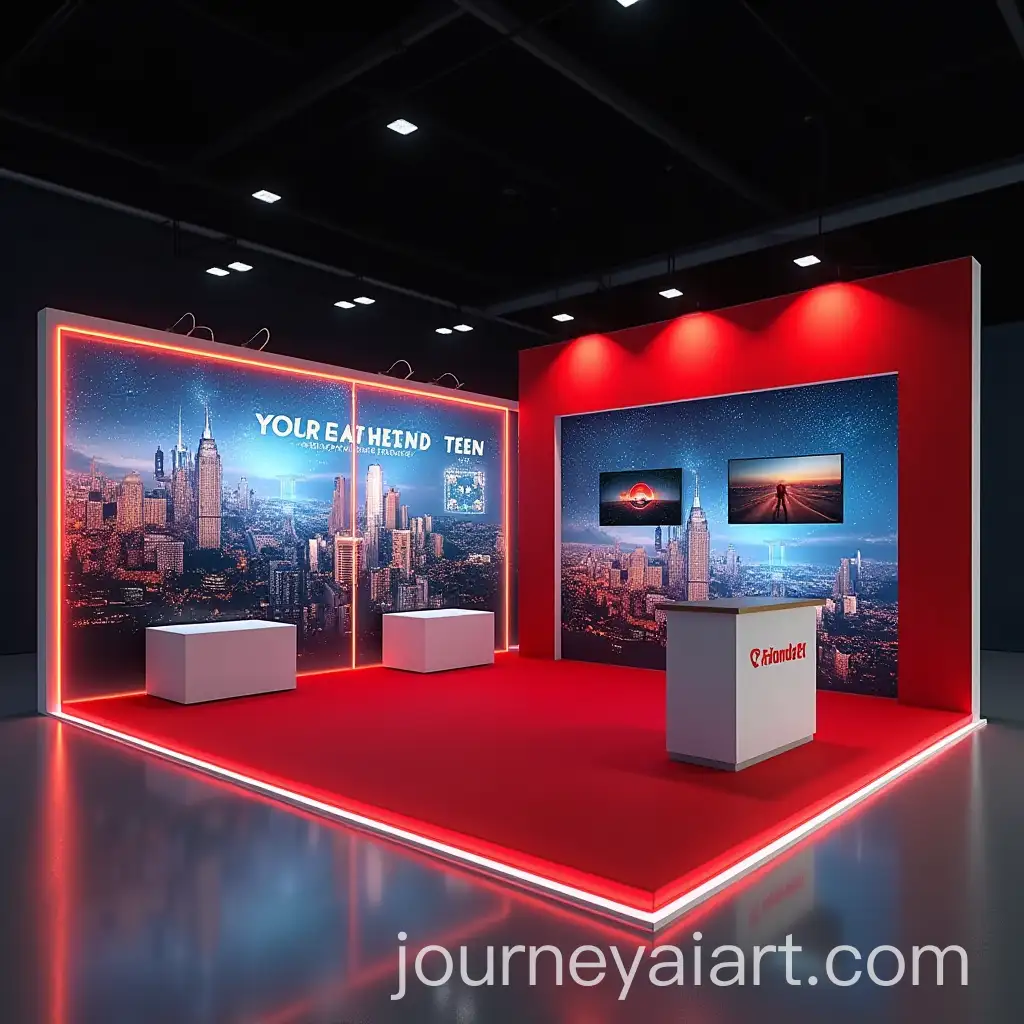
This page covers how house lighting, supplemental fixtures, and rigging rules shape lighting design for exhibits across Columbus's main venues.
Lighting Design for Exhibits execution priorities
- House lighting levels confirmed for the specific hall before supplemental fixtures are specified
- Rigging points and dimming control checked against the venue's hardware rather than assumed
- Lighting design for exhibits sequenced with electrical drops ordered for the exact booth location
Starting from the house lighting baseline
GCCC's exhibit halls run a fairly consistent house lighting level across most bookings, which gives lighting design for exhibits a predictable baseline to supplement rather than override.
A fairgrounds building at the Ohio Expo Center can run different ambient light depending on the hall, so a supplemental lighting plan proven at GCCC may need adjustment before it is reused at a fairgrounds booking.
Supplemental fixtures and rigging
Adding accent or task lighting to a booth usually means rigging fixtures from truss or a booth's own structure, which requires checking point-load and rigging plot data for the specific hall before fixtures are ordered.
Lighting design for exhibits that assumes a generic rigging capacity across every Columbus hall risks a mismatch once the actual plot is checked, particularly in a subdivided exhibit hall where available rigging points differ by section.
- Confirm house lighting level and color temperature for the specific hall
- Check rigging point-load data before ordering supplemental fixtures
- Order electrical drops sized to the actual fixture count, not a rough estimate
Dimming and control systems
Some Columbus venues offer house dimming control that a booth can tie into, while others expect exhibitors to bring independent control systems for any supplemental lighting, and that distinction changes the equipment list for lighting design for exhibits considerably.
Confirming which control option applies before the show avoids ordering redundant dimming hardware or, worse, arriving without a way to control fixtures that were assumed to tie into house control.
Electrical drops and labor scope
Electrical drops for supplemental lighting need to be ordered against the booth's actual floor location, since a drop ordered for the wrong spot on the floor plan can leave fixtures without power on move-in day.
GCCC's published self-handled allowances as a non-union, right-to-work building may cover some lighting tasks, but electrical hookups often still require venue-coordinated labor, so lighting design for exhibits plans should confirm that split for the specific show.
Coordinating lighting with graphics and signage
Supplemental lighting aimed at a graphics panel or sign should be planned alongside the graphics production schedule, since a light angle chosen before the final graphic is proofed can wash out color or create glare once the actual panel is installed.
Lighting design for exhibits works better as a coordinated step with graphics and booth design rather than a separate add-on decided after everything else is already built.
A short walkthrough with the graphics vendor and the lighting crew together, even briefly, before final install tends to catch angle and color conflicts that are much harder to fix once both elements are already mounted on site. That short coordination step costs little time up front and tends to save far more time than an on-site fix attempted after both the graphic and the fixture are already installed and the crew is racing the move-in clock.
Questions about Lighting Design for Exhibits
Does house lighting differ between GCCC and the fairgrounds?
Yes, GCCC's exhibit halls run a fairly consistent house lighting level, while ambient light in an Ohio Expo Center fairgrounds building can vary by hall, so a supplemental plan proven at one venue may need adjustment at the other.
What should be checked before ordering supplemental fixtures?
Rigging point-load data and available hang points for the specific hall should be confirmed before fixtures are ordered, since assumed rigging capacity can be inaccurate in a subdivided exhibit hall.
Do all Columbus venues offer house dimming control?
No, some venues let a booth tie into house dimming control while others expect independent control systems for supplemental lighting, so that option should be confirmed before the equipment list is finalized.
Can electrical drops for lighting be self-handled at GCCC?
GCCC's self-handled allowances may cover some lighting tasks, but electrical hookups often still require venue-coordinated labor, so the split should be confirmed for the specific show.
Should lighting be planned separately from graphics?
No, supplemental lighting aimed at a graphic panel should be coordinated with the graphics production schedule, since a light angle chosen too early can wash out color once the final panel is installed.