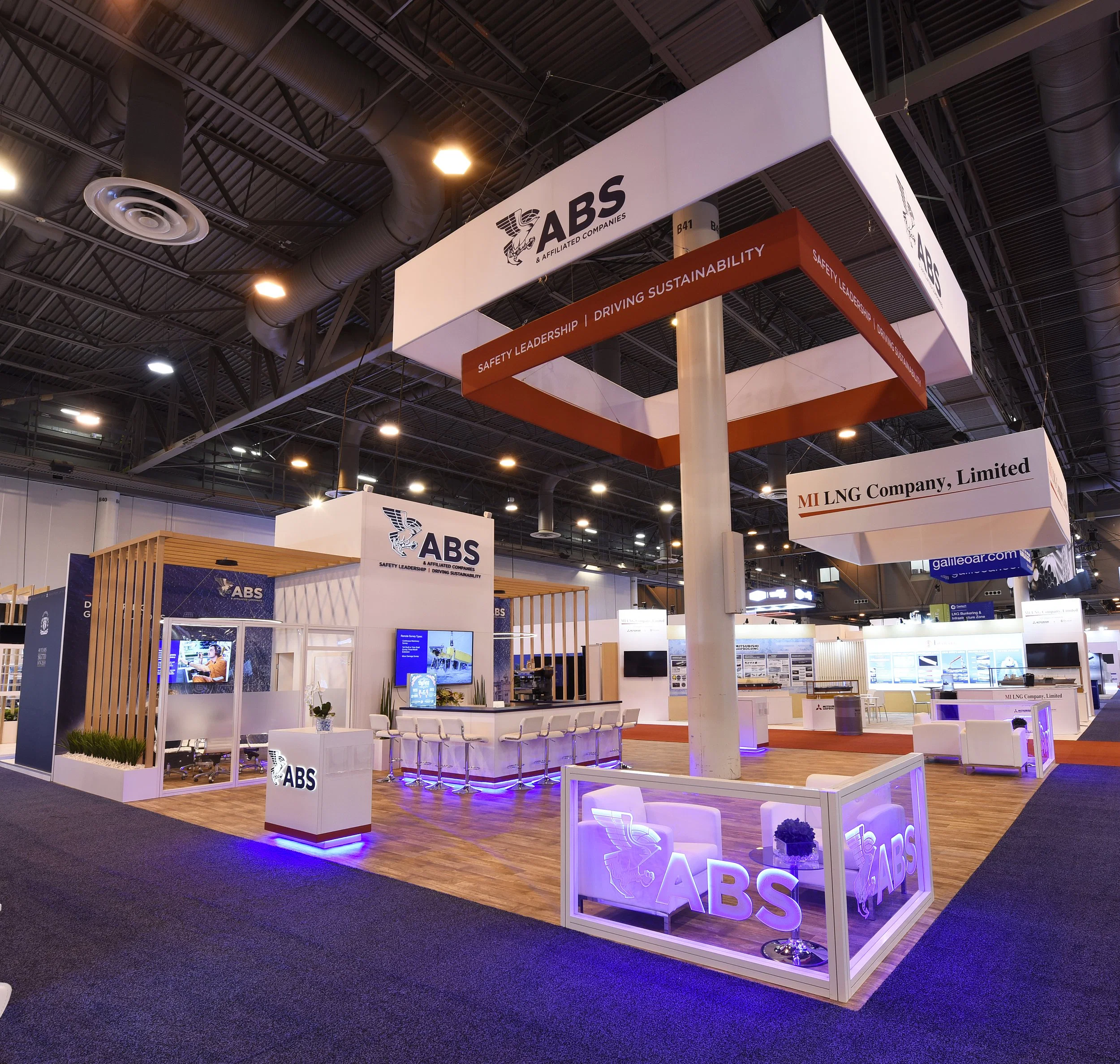
Exhibitors and agencies running the same brand presence across several Columbus dates are not repeating a single floor plan, they are repeating a relationship with different loading docks, different concourses, and different neighbors on the calendar.
Multi-show program rollouts work when the property list, the freight plan, and the labor rules are rebuilt for each stop instead of copied forward from the last one.
Multi-Show Program Rollouts execution priorities
- Whether the next date lands at the Greater Columbus Convention Center, a connected downtown hotel, or an Ohio Expo Center building off 17th Avenue
- Whether the loading approach is a shared dock queue downtown or a drive-in door at the fairgrounds
- Whether the same crate set needs to shrink or expand for a smaller ballroom date between two large hall dates
Downtown dates versus fairgrounds dates on the same rollout
A downtown Columbus date usually means the convention center's exhibit halls, with the Hilton Columbus Downtown and the Hyatt Regency Columbus reachable by covered walkway for overflow meetings, registration overflow, or sponsor hospitality without a shuttle.
An Ohio Expo Center date on the same rollout is a different property altogether: a roughly 360-acre fairgrounds campus north of downtown made up of buildings like the Bricker Building, Cardinal Hall, and Kasich Hall, each with its own drive-in doors and its own distance from the nearest loading gate.
Programs that add a Franklin Park Conservatory reception or a COSI evening event between two larger dates should treat that stop the same way, confirming access, power, and hours directly with that venue rather than folding it into the main rollout's freight and labor plan by default.
Keeping the crate list honest between stops
Multi-show program rollouts fail quietly when a crate list built for a wide, column-light exhibit hall gets shipped unchanged into a tighter ballroom date, or when hardware sized for a drive-in fairgrounds door shows up at a dock queue with a service elevator instead.
The fix is not more inventory, it is a per-stop confirmation pass against the current venue packet before freight leaves the warehouse.
- Confirm hall or ballroom dimensions and column spacing for each stop separately
- Confirm whether the stop uses a shared loading dock or a fairgrounds drive-in door
- Confirm overnight access and reset windows before assuming they match the last date
Labor and self-handling questions do not carry over automatically
The Greater Columbus Convention Center publishes itself as a non-union, right-to-work facility, and its own exhibitor materials describe allowances for exhibitors who want to hand-carry or self-handle a portion of their own booth freight.
That does not mean every stop on a rollout works the same way; a hotel ballroom date or an Ohio Expo Center building can carry its own house rules for who touches freight at the dock, so multi-show program rollouts should treat labor confirmation as a per-venue line item, not a blanket assumption.
Scheduling around the Columbus show calendar itself
The Ohio Expo Center hosts the Ohio State Fair every summer, which occupies most of the fairgrounds campus for setup, run, and teardown across several weeks and effectively removes those buildings from the rollout calendar during that window.
Rollouts that assume year-round fairgrounds availability without checking against the Fair's dates, or against the convention center's own anchor events, end up compressing move-in windows that were never actually open.
Questions about Multi-Show Program Rollouts
Does a Columbus rollout always use the same building?
No. A single rollout can move between the Greater Columbus Convention Center downtown, a connected hotel ballroom, and an Ohio Expo Center building, and each of those has a different loading approach and a different labor posture.
What should be reconfirmed before each stop on a multi-show program rollout?
Hall or room dimensions, dock or drive-in access, current exhibitor manual rules, and whether the venue is downtown or at the fairgrounds, since assumptions from the prior stop do not automatically carry forward.
Is Columbus a union or non-union market?
It should not be described as either in a blanket sense. The Greater Columbus Convention Center publishes itself as non-union and right-to-work with documented self-handled allowances, but other venues on a rollout can carry different rules.
Why does the Ohio State Fair matter for scheduling?
It occupies most of the Ohio Expo Center for setup, run, and teardown each summer, which narrows the calendar for any rollout stop planned at that campus during those weeks.
What is the biggest planning mistake on repeat Columbus rollouts?
Carrying a crate list, dock assumption, or labor plan forward from the previous stop without checking it against the specific venue packet for the next date.
Can a smaller off-site stop be added to a Columbus rollout?
Yes, a reception at a venue like the Franklin Park Conservatory or COSI can sit between larger dates, but its access, power, and hours should be confirmed separately rather than assumed to match the main venues on the rollout.