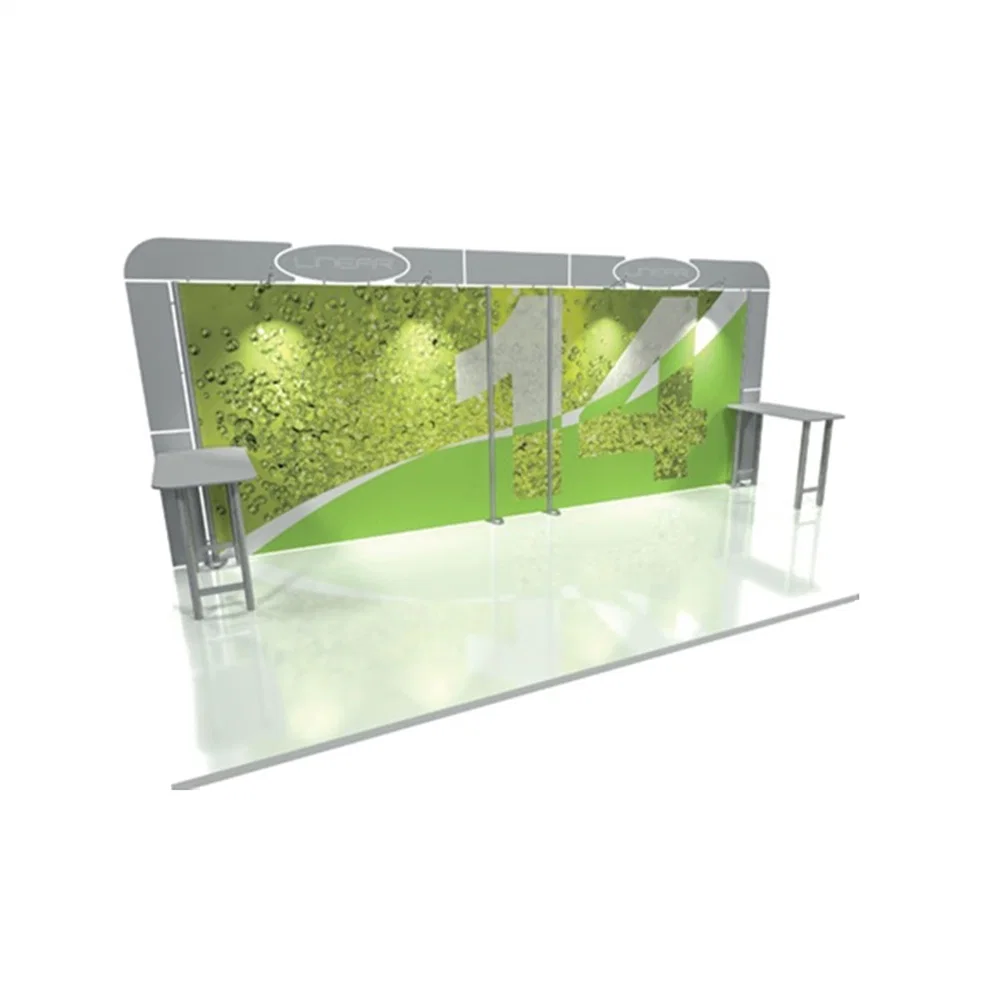
Portable display systems are chosen for weight and case count, but the venue determines how far that case has to travel by hand once it clears the dock.
In Columbus, that distance and the labor rules around it are not the same downtown as they are at the fairgrounds, so the case format that works well in one building can be the wrong choice in the other.
Portable Display Systems execution priorities
- Distance from the loading dock or drive-in door to the actual booth or ballroom space
- Whether the exhibitor plans to hand-carry the case in under the venue's self-handled allowance
- Floor and ceiling conditions in the specific hall, ballroom, or fairgrounds building being used
Downtown dock distances versus fairgrounds drive-in access
Inside the Greater Columbus Convention Center, cases typically move from a shared loading dock through service corridors to the exhibit floor, which rewards wheeled case systems sized for a single person to manage without additional equipment.
At the Ohio Expo Center, buildings like the Bricker Building or Cardinal Hall often have drive-in doors close to the actual floor space, which can shorten the hand-carry distance considerably and make a slightly larger case format practical.
Graphics printed on fabric rather than rigid substrate tend to travel better across multiple Columbus stops because they compress into a smaller case without cracking, which matters most on a rollout that alternates between a downtown hall and a fairgrounds building in the same season.
Self-handling and the Columbus labor question
The Greater Columbus Convention Center publishes itself as a non-union, right-to-work building with documented self-handled allowances, which is a real reason portable display systems designed for one-person setup are popular for smaller Columbus programs.
Those allowances are specific to the venue and its own exhibitor manual, so the same assumption should not be carried into a hotel ballroom program or an Ohio Expo Center building without checking that venue's own rules first.
Case format decisions that hold up across Columbus stops
A portable display program that repeats across a downtown date and a fairgrounds date should be sized for the more restrictive of the two access conditions rather than the more generous one, since it is easier to bring a compact case into a wide-open fairgrounds building than to force an oversized case through a downtown service corridor.
Weight limits for single-person handling matter more than raw case dimensions once the setup crew is small, which is common on portable-format programs.
- Choose case dimensions that clear the tightest expected service corridor, not the widest
- Confirm single-person weight limits if self-handling is planned
- Keep hardware and graphics in separate, clearly labeled cases for faster dock inspection
Storage between dates for a repeating Columbus program
Programs that return to Columbus multiple times a year sometimes look at local storage between dates rather than shipping a full system home and back, which only makes sense once the cost of storage is weighed against the freight savings for that specific case count and weight.
That comparison changes based on how many stops on the calendar are actually in the Columbus metro versus routed through it to another city, so it is worth running per program rather than assuming it once.
Questions about Portable Display Systems
Does the same portable display case work at every Columbus venue?
It should be sized for the tightest expected access point across the venues in the program, since a downtown service corridor and a fairgrounds drive-in door are not the same distance or width.
Can exhibitors self-handle a portable display system at the convention center?
The Greater Columbus Convention Center documents self-handled allowances in its own exhibitor materials, but the specific limits should be confirmed against the current manual rather than assumed.
Is fairgrounds access easier than downtown for portable displays?
Often the carry distance is shorter because of drive-in doors, but that depends on the specific building and where within it the booth space sits.
Should hardware and graphics ship in the same case?
Separate, clearly labeled cases usually move through dock inspection faster and reduce the chance of a missing piece holding up setup.
Is local storage worth it for a repeating Columbus program?
Only if the math works for that specific case count and date frequency; it is not a default answer for every portable display program.
Do fabric graphics travel better than rigid panels for a Columbus program?
Fabric graphics generally compress into a smaller case and survive repeated packing better than rigid panels, which is useful for a portable display system moving between multiple Columbus stops in one season.