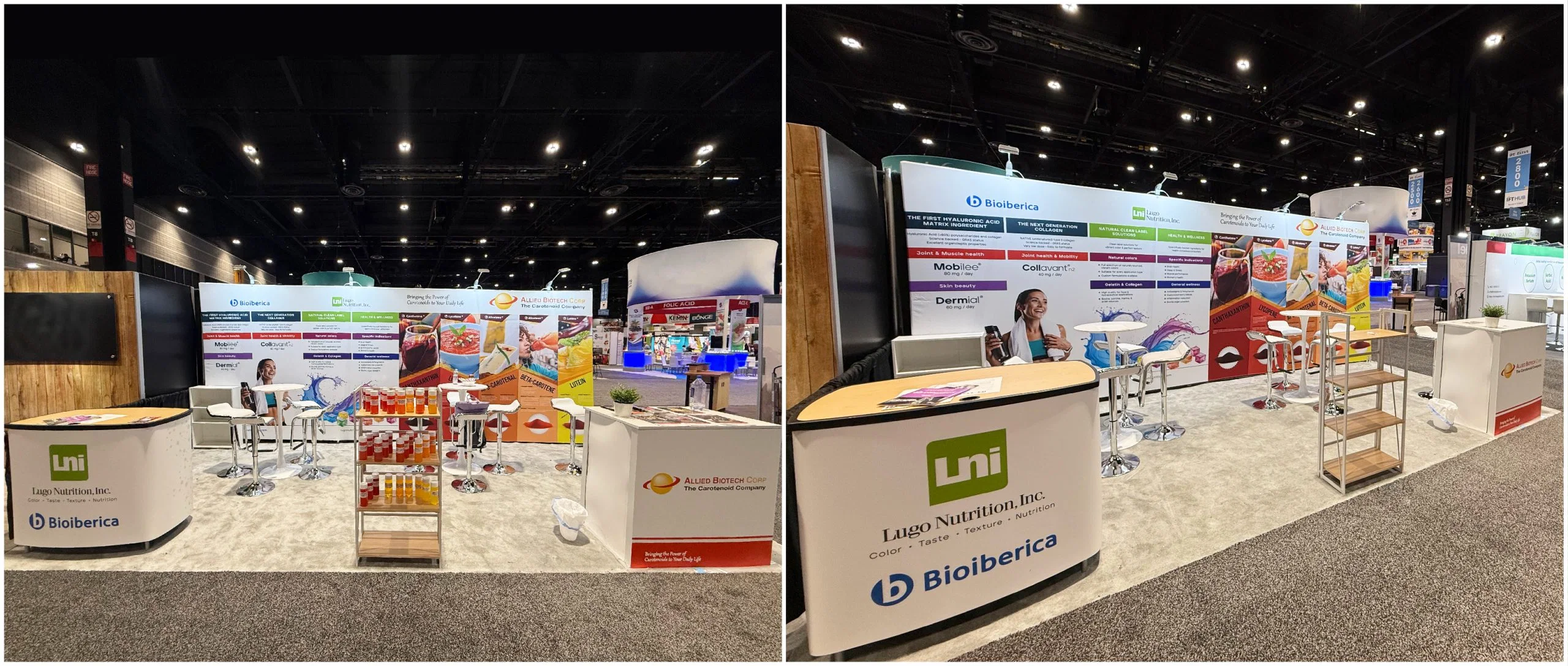
This page separates the venue and permitting questions that shape experiential brand activations from the creative concept itself.
Experiential Brand Activations execution priorities
- Venue choice weighed between an in-show floor location and a standalone destination site
- Permitting and power access confirmed for whichever location the activation actually uses
- Experiential brand activations scheduled around the specific building's move-in and public-hours rules
In-show floor versus standalone destination
An activation built into a GCCC exhibit hall as a sponsor element benefits from the same freight, power, and rigging infrastructure the rest of the show floor uses, which simplifies logistics but caps the footprint to whatever floor space the show contract allows.
A standalone activation at a destination like COSI or a public space near the Scioto Mile riverfront in downtown Columbus can reach a broader audience outside a ticketed show, but it also means arranging power, permitting, and security independently rather than inheriting the show's infrastructure.
Permitting for a public or semi-public location
A downtown riverfront or Arena District location near the Greater Columbus Convention Center may require its own city permitting for temporary structures, street closures, or extended public hours, separate from anything the convention center itself handles.
Experiential brand activations planned for a non-exhibit-hall location should confirm permitting timelines early, since city approval processes can run on a longer clock than a standard trade-show floor booking.
- Confirm whether the site needs city permitting for structures or street use
- Check power access independently if the location is outside a convention hall
- Plan security and crowd management for a location without built-in show-floor infrastructure
Power and rigging outside the convention hall
Inside GCCC, power distribution and rigging points are part of the building's existing infrastructure and documented in the venue's floor-plan and utility materials, which simplifies planning for an in-show activation.
Outside the convention hall, at a riverfront site or a venue like COSI, experiential brand activations need generator or tie-in power confirmed with the property directly, since that infrastructure is not guaranteed the way it is inside an exhibit hall.
Labor scope depends on where the activation sits
GCCC's published self-handled allowances as a non-union, right-to-work building apply to work happening inside that specific building, not to a standalone activation at a different property with its own labor rules.
Experiential brand activations should confirm labor requirements separately for each location rather than assuming GCCC's allowances carry over to a riverfront or museum site.
Foot traffic and audience considerations
A standalone activation near the Arena District or Short North Arts District can draw on regular foot traffic from residents and visitors in those areas, which is a different audience than a ticketed show floor inside GCCC.
Experiential brand activations aimed at that public audience should plan signage, timing, and staffing around typical foot-traffic patterns in the specific district rather than assuming the same audience behavior as an indoor trade-show crowd.
Weather and season also factor into a Columbus outdoor activation in a way an indoor show floor does not, so experiential brand activations planned for a riverfront or district location should have a contingency plan for rain or extreme temperature on the activation date.
Questions about Experiential Brand Activations
Should an activation sit inside the show floor or stand alone?
An in-show floor activation inherits the convention hall's freight and power infrastructure but is capped to the show contract's footprint, while a standalone destination activation can reach a broader public audience but requires independent permitting and power.
Does a riverfront or downtown location need its own permits?
It may need city permitting for temporary structures, street closures, or extended public hours separate from anything the convention center handles, so that timeline should be confirmed early since it can run longer than a show-floor booking.
Is power guaranteed the same way outside a convention hall?
No, power and rigging inside GCCC are part of the building's documented infrastructure, while a riverfront site or a venue like COSI needs generator or tie-in power confirmed directly with the property.
Do GCCC's self-handled labor allowances apply everywhere in Columbus?
No, those allowances apply to work inside that specific building, so experiential brand activations at a different property need labor requirements confirmed separately for that location.
Does the surrounding district affect activation planning?
Yes, a standalone activation near the Arena District or Short North Arts District draws on regular public foot traffic, which behaves differently than a ticketed indoor show-floor crowd and should be planned for accordingly.